
You don’t need to guess which doctor to see for constipation.
Chronic constipation has a real, findable cause — not just a “eat more fiber” answer. We’re a functional-medicine clinic in HSR Layout that checks motility, microbiome, thyroid and medication effects, then builds you a plan that actually holds.
Doctor-led, not another OTC laxative
Root-cause diagnostics, not guesswork
Personalised Indian diet & lifestyle plan
Ongoing WhatsApp support
Start My Assessment
Takes 30 seconds
Which of these do you live with every week?
If more than a couple of these feel familiar, this isn't just a "drink more water" problem — there's a pattern worth investigating.
Hard or infrequent stools
Days go by, or you strain harder than feels normal.
Straining every time
You brace, push, and it still feels like a fight.
Incomplete evacuation
You leave the toilet feeling you're never fully done.
Bloating from backup
A tight, heavy belly by evening that eases only after you go.
Relying on laxatives to go
Isabgol, Dulcolax, senna — one skipped day and everything stalls.
Occasional → chronic
What used to be a bad week is now most weeks.
Which doctor should I actually see for constipation?
Most people cycle through three wrong doors before they find the right one. Here's why they leave unchanged — and what a functional-medicine review does differently.
General Physician
Prescribes fiber, laxatives, or antacids and sends you home.
Gastroenterologist (only)
Great for red-flag scopes, but often stops at 'no structural issue found — take Isabgol'.
Chemist / self-medication
Solves today, quietly makes your gut lazier over months.
What you actually need: a functional-medicine doctor.
One who checks all five things a generic visit skips: gut motility, microbiome balance, diet patterns, thyroid function, and medication side effects. That's the review that actually finds why your body isn't going — and what to do about it, without turning laxatives into a lifelong crutch.
- Motility & pelvic floor screening
- Diet, hydration & fiber-type review
- Medication side-effect audit
- Microbiome / dysbiosis testing
- Thyroid & hormone panel
- Laxative-free reset protocol
Laxatives get you through today. They don't fix why it stopped in the first place.
Long-term reliance on stimulant laxatives — Dulcolax, senna, castor oil — trains the bowel to wait for the pill. Over months, the natural urge dulls, doses creep up, and constipation quietly turns chronic. That's not weakness; it's a predictable response, and it's reversible when the actual driver is found.
Slow gut motility
The muscle rhythm that moves stool has quietly slowed down.
Dysbiosis
The bacteria that help you go are outnumbered by the ones that don't.
Pelvic floor dysfunction
Muscles that should relax when you go stay tense instead.
Thyroid & hormones
Underactive thyroid, PCOS, perimenopause all slow the gut.
Medication side effects
Iron, antacids, painkillers, antidepressants — common culprits.
Low-residue diet
It's not always 'more fiber' — the type and timing matter more.
Is This Program Right for You?
Perfect for men & women aged 25–55 who want to heal naturally without lifelong meds.
Perfect for you if…
- ✓You've already tried fiber supplements, Isabgol or laxatives without lasting relief.
- ✓You're worried about relying on laxatives long-term.
- ✓You want to know the actual cause — not another generic 'drink more water' tip.
- ✓Occasional constipation has quietly become most weeks of the month.
- ✓You want a doctor-led plan with real testing, not a WhatsApp diet chart.
Probably NOT for you if
- ✕You want a same-day laxative and no follow-up.
- ✕You're not open to any diet or lifestyle change.
- ✕You want a purely OTC / pill-only approach with no testing.
Medicine, diagnostics and daily-life work — as one plan.
This isn't an alternative to medicine. It's a fuller version of it: real testing to find what's happening in your gut, targeted medical support where it helps, and the daily-life work that decides whether results actually hold.
Medical support
Doctor-led review of history, current medications and symptoms — with targeted prescriptions when they genuinely help.
Root-cause diagnostics
Motility, microbiome, thyroid and hormone panels to find why the system slowed — not just how to force it.
Diet & lifestyle plan
Personalised Indian meal plans, hydration, movement, sleep and stress protocols — with WhatsApp follow-ups.
Clinic Living Plus vs. a generic GP visit
Two very different rooms, two very different outcomes.
| What we compare | ✓ Clinic Living Plus | ✕ Typical Clinics |
|---|---|---|
| What they look at | Gut motility, microbiome, thyroid, meds, diet, pelvic floor | Stool frequency and fiber intake |
| Diagnostics | Functional & microbiome testing when indicated | Basic bloods, often none |
| Treatment focus | Find and remove the root cause | Manage today's symptom |
| Diet plan | Personalised Indian menu you'll actually eat | Spa staff with no medical backup |
| Laxative use | Structured, time-boxed, then weaned off | Prescribed and quietly repeated |
| Follow-up | 4-week progress review + WhatsApp access | Come back if it gets worse |
| Long-term goal | Independent, laxative-free bowel rhythm | Symptom relief for the week |
Watch real stories
Watch how people got their gut — and their mornings — back on track.
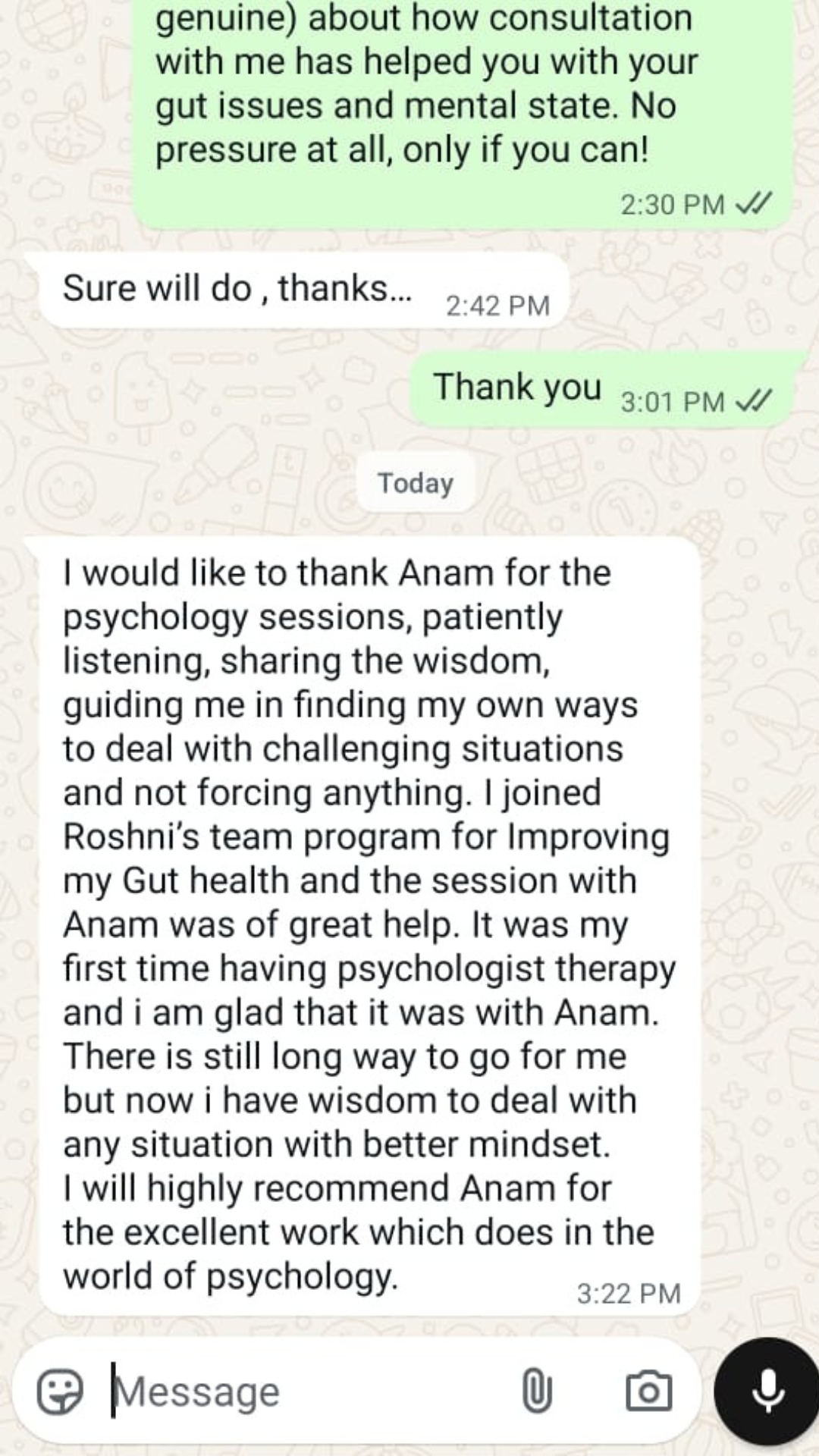
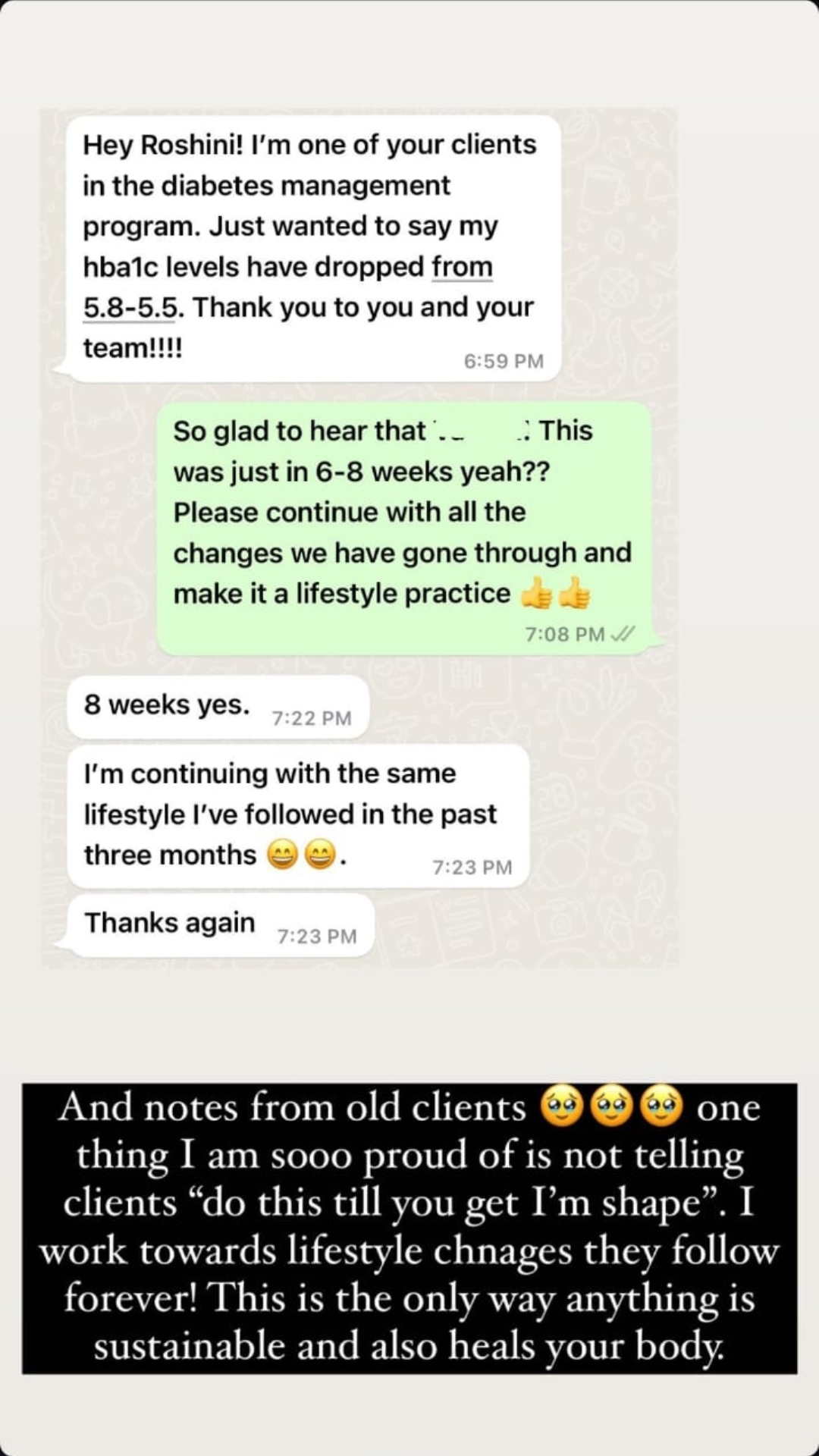
In their words
Messages from our clients



Our team of experts
Doctors and gut-health specialists who treat constipation as a real medical condition — not just a lifestyle inconvenience.
 ✔ VERIFIED
Dr. Tejas Udayanand
 ✔ VERIFIED
Dr Deekkshitha
 ✔ VERIFIED
Dr. Sulaba BNYS
 ✔ VERIFIED
Roshni Sanghvi
Our Team’s Experience
Questions people ask before starting.
Which doctor should I actually see for constipation?
A functional-medicine doctor is usually your best first stop — not a same-day GP visit or a gastroenterologist visit alone. We check gut motility, microbiome balance, thyroid function, medication side effects and diet patterns together, instead of just ruling out red flags and sending you home with a laxative.
Is it safe to rely on laxatives long-term?
Not really, no — and we'll say that honestly upfront. Stimulant laxatives like Dulcolax or senna train your bowel to wait for a trigger instead of working on its own. Occasional use isn't harmful, but if you're reaching for one most weeks, it's worth finding out why your system slowed down in the first place.
What really causes chronic constipation?
It's rarely just "not enough fiber." The real drivers are usually a mix of slow gut motility, dysbiosis, pelvic floor dysfunction, thyroid or hormonal changes, or a side effect of a medication you're already taking. We test for these rather than guessing.
How is this different from just eating more fiber?
More fiber can actually make things worse if the real issue is motility or pelvic floor related — it just means more bulk stuck in the same slow system. We look at the type and timing of fiber, not just the amount, alongside the other root causes.
How quickly will I see results?
Many people notice a difference in regularity within the first couple of weeks once the real cause is addressed, though a full laxative-free reset typically takes longer. We'll give you a realistic timeline after your initial assessment, not a generic promise.
Do I need to stop taking my current laxative right away?
No — we don't recommend stopping cold turkey without a plan. We taper you off gradually as the root-cause work starts to hold, so you're not left without relief in the meantime.
Is this only for chronic constipation, or can occasional constipation be treated too?
Both. If it's become a pattern — more weeks affected than not — that's exactly when it's worth investigating. But even occasional constipation that keeps recurring is worth a proper look before it becomes chronic.
Start My Assessment
Takes 30 seconds