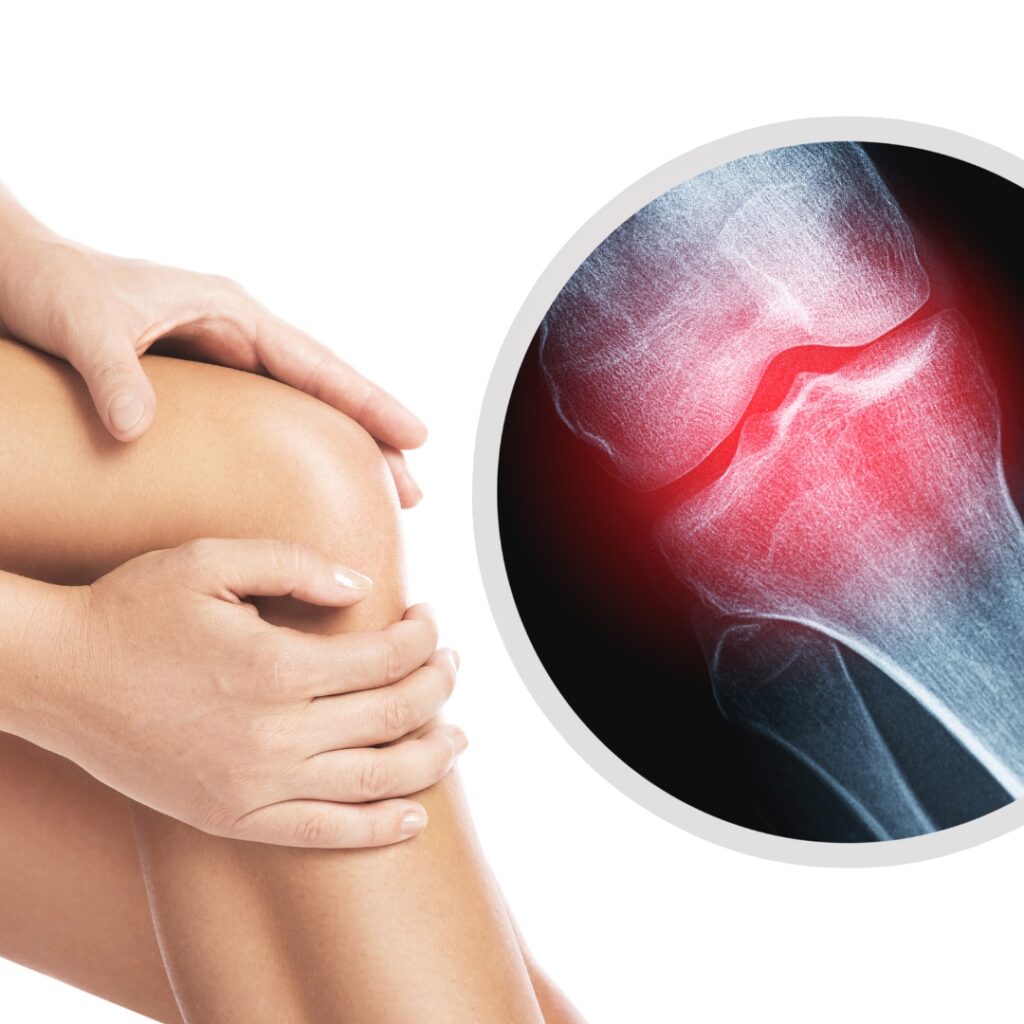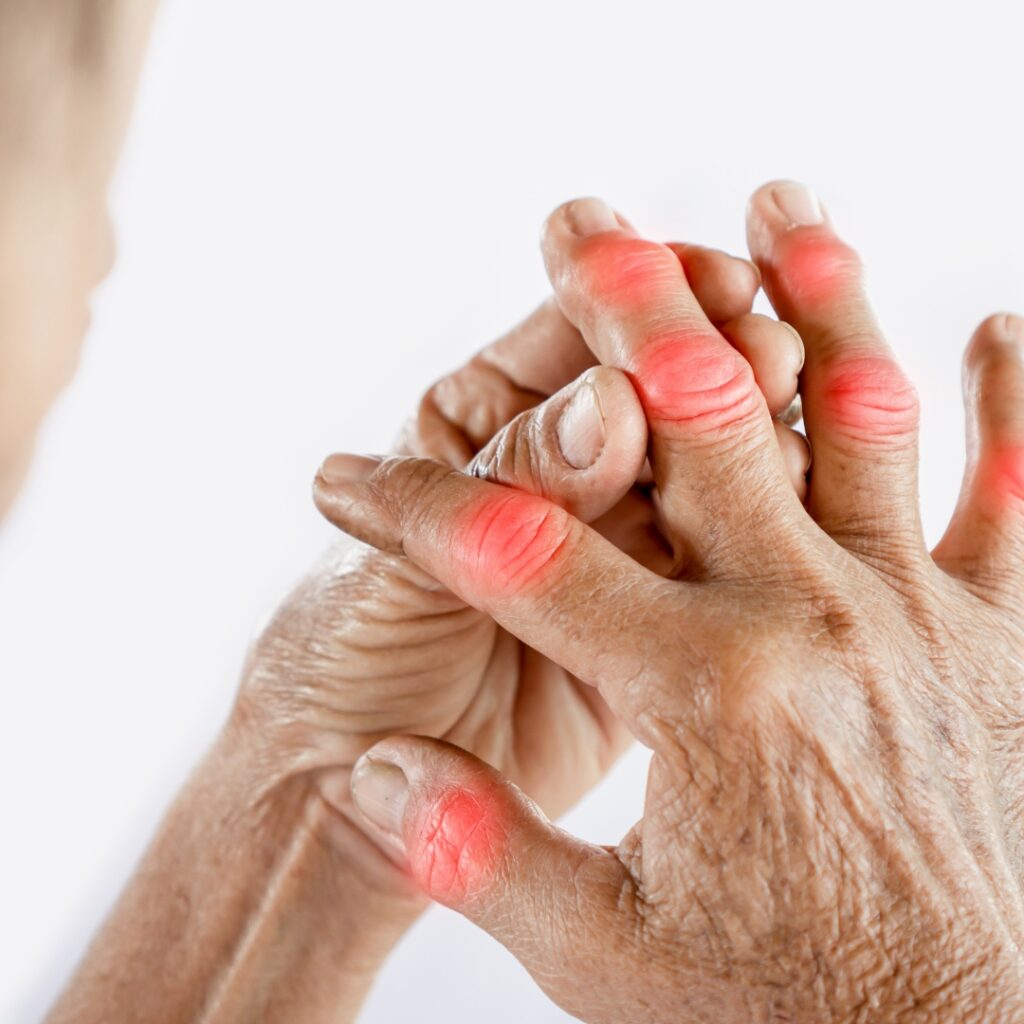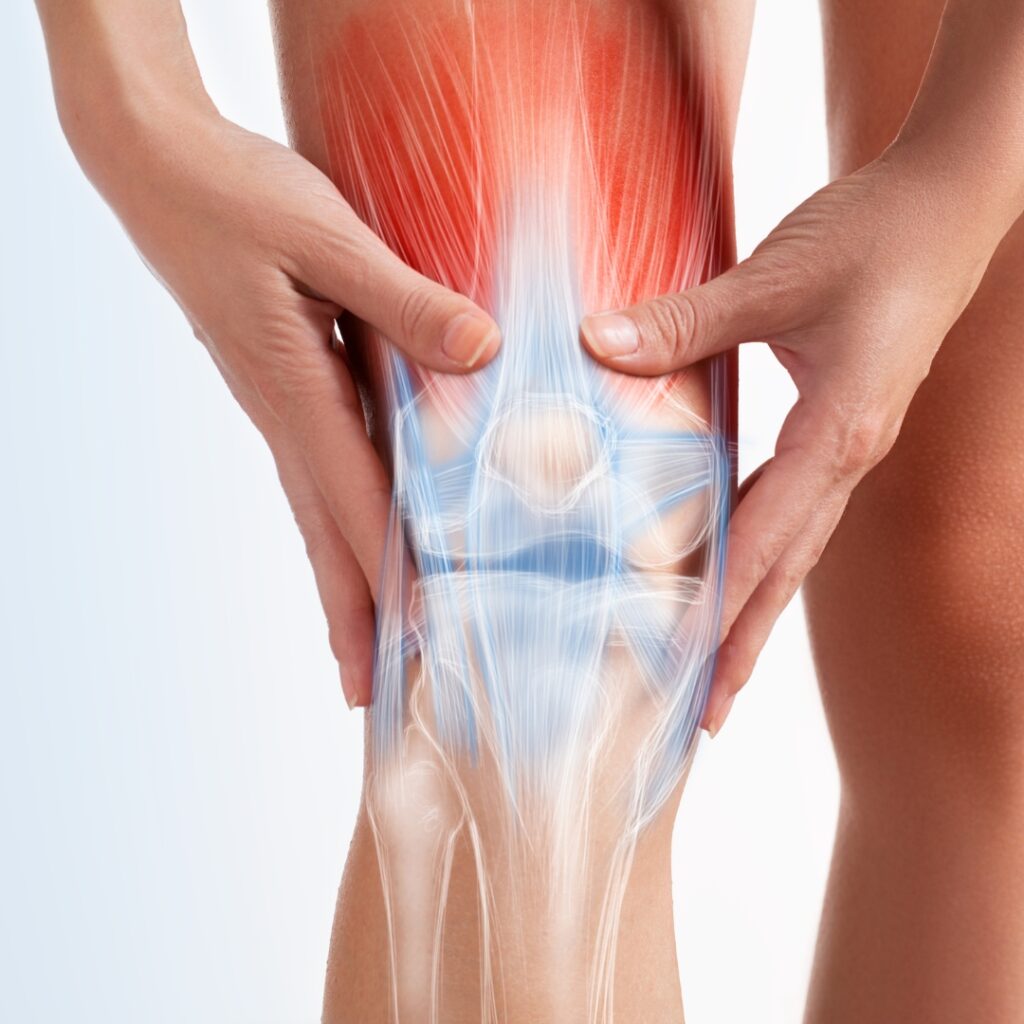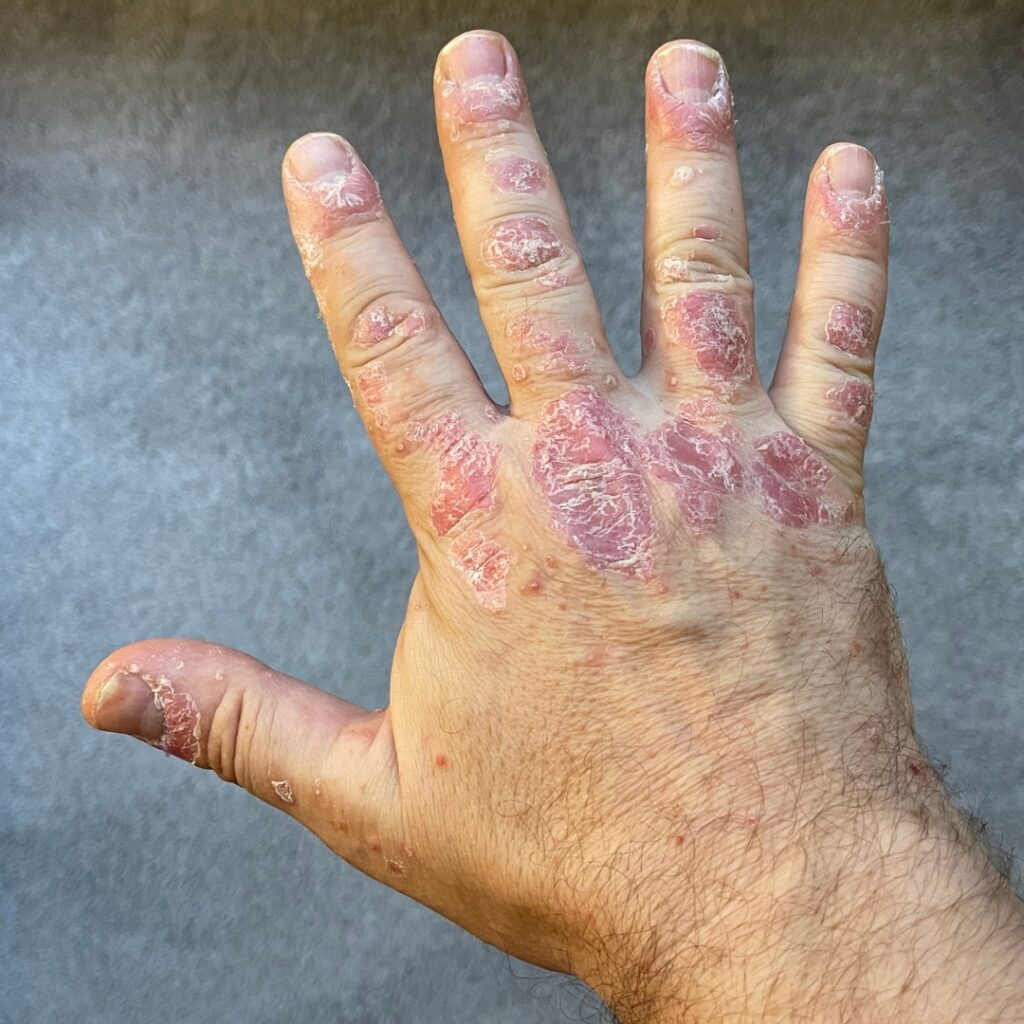
Arthritis is one of the most common chronic health conditions worldwide, affecting millions of people across all age groups. While many believe arthritis is simply “joint pain in old age,” the truth is that it can affect younger adults too, impacting mobility, energy, and overall quality of life. The good news? With the right combination of medical treatment, lifestyle changes, and holistic practices, it is possible to manage arthritis and live an active, fulfilling life.
Definition: Inflammation of one or more joints, leading to pain, stiffness, and reduced range of motion.
Arthritis is not a single disease — there are over 100 different types.
Common forms include osteoarthritis (OA), rheumatoid arthritis (RA), gout, psoriatic arthritis, and ankylosing spondylitis.
The most common type
Caused by wear-and-tear of cartilage over time
Symptoms: stiffness, swelling, pain that worsens with activity
The most common type
Caused by wear-and-tear of cartilage over time
Symptoms: stiffness, swelling, pain that worsens with activity
The most common type
Caused by wear-and-tear of cartilage over time
Symptoms: stiffness, swelling, pain that worsens with activity
The most common type
Caused by wear-and-tear of cartilage over time
Symptoms: stiffness, swelling, pain that worsens with activity
The most common type
Caused by wear-and-tear of cartilage over time
Symptoms: stiffness, swelling, pain that worsens with activity
Age: Risk increases with age
Genetics: Family history can predispose you
Gender: RA is more common in women; gout in men
Obesity: Excess weight strains joints
Injury: Previous joint damage increases risk
Lifestyle factors: Poor diet, lack of exercise, smoking
Medical history and physical examination
Blood tests (inflammatory markers, rheumatoid factor, uric acid)
Imaging: X-rays, MRI, ultrasound to check joint damage
Differential diagnosis to rule out other conditions
NSAIDs (Nonsteroidal anti-inflammatory drugs): Reduce pain and swelling
Corticosteroids: Quick relief for inflammation
DMARDs (Disease-modifying antirheumatic drugs): For RA and autoimmune arthritis
Biologics: Targeted therapy for immune-driven types
Joint replacement (hip/knee)
Arthroscopy to repair joint damage
Anti-inflammatory diet: Rich in fruits, vegetables, whole grains, nuts, seeds, and fatty fish
Foods to include:
Omega-3s (salmon, flaxseeds, chia seeds)
Antioxidant-rich foods (berries, leafy greens)
Spices like turmeric and ginger
Foods to avoid:
Processed foods, refined sugar, trans fats
Excessive red meat and alcohol
Low-impact activities: walking, swimming, cycling
Yoga for flexibility and joint mobility
Strength training to support joints
Daily stretching routines
Even a small weight loss can ease pressure on joints
Helps prevent further damage
Stress worsens inflammation
Mindfulness meditation, deep breathing, journaling
Support groups for emotional well-being
Acupuncture for pain relief
Massage therapy
Ayurveda: Herbal remedies like Ashwagandha, Boswellia (after medical guidance)
Supplements: Glucosamine, chondroitin, vitamin D, omega-3s
WhatsApp us