Buy GHK-Cu in India: What You Should Know Before Using This Copper Peptide
An increasing number of people in India are purchasing GHK-Cu (Copper Peptide) for its hair growth, skin repair, and anti-aging benefits. Do you want to buy GHK-Cu in India? Here, you learn the things you should know before using this copper peptide.
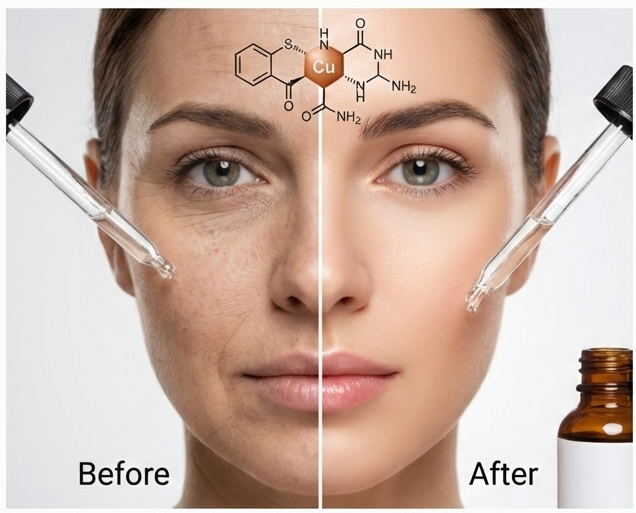
GHK-Cu (Glycyl-L-Histidyl-Lysine-Copper) is a naturally occurring peptide complex in human plasma. It binds copper and functions as a potent signaling molecule that stimulates the production of elastin/collagen, controls inflammation, and promotes wound healing. The rising interest of people in hair loss, skin aging, and injury recovery has increased the demand for anti-aging cosmetics and haircare products containing GHK-Cu.
Even though many people look for GHK-Cu India, medical experts suggest opting for copper peptide therapy only under supervision as an element of a structured regenerative/skin health program.
What Is GHK-Cu (Glycyl-L-Histidyl-Lysine-Copper)?
GHK-Cu has been extensively studied for its role in skin health, wound healing, hair follicle stimulation, and anti-aging processes, making it one of the most researched bioactive copper peptides in regenerative and aesthetic medicine.
Our Medical Approach to Peptide Therapy
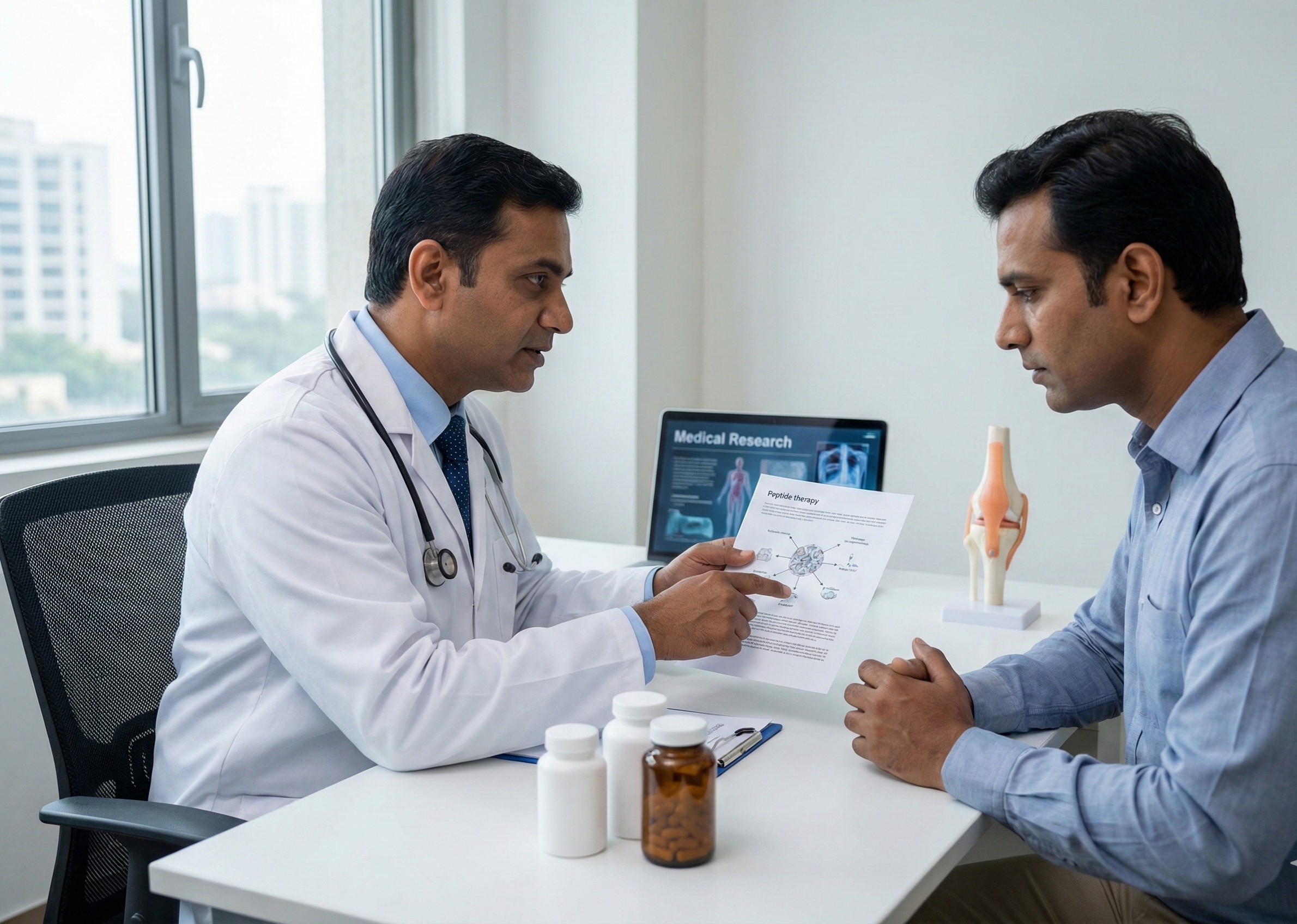
Preclinical and clinical studies suggest that GHK-Cu may help activate repair-related genes, promote collagen remodeling, support blood vessel formation, and regulate inflammatory responses. Due to its biological activity and copper-binding properties, GHK-Cu is typically used under medical guidance within structured regenerative, dermatological, or functional medicine programs.
Why Is GHK-Cu Gaining Popularity?

Interest in GHK-Cu is increasing due to its well-documented role in skin regeneration, hair health, wound healing, and inflammation control:
Skin Aging & Regeneration
GHK-Cu is widely explored for skin rejuvenation and repair. Research suggests it may stimulate collagen and elastin production, improve skin firmness, reduce fine lines, and support faster wound healing.
Its ability to regulate inflammation and activate tissue remodeling pathways makes it valuable in dermatological and regenerative skin-focused programs.
Hair Growth & Scalp Health
GHK-Cu has been studied for its role in supporting hair follicle health, prolonging the hair growth phase, and improving scalp condition. It may help reduce hair thinning and support healthier, denser hair by improving blood supply and cellular signaling in the scalp.
Wound Healing & Scar Repair
GHK-Cu plays a role in wound healing by stimulating tissue regeneration, angiogenesis, and controlled inflammatory responses. It has been explored in the management of surgical wounds, burns, and scar remodeling due to its regenerative signaling properties.
Anti-Inflammatory & Tissue Repair Support
GHK-Cu may support tissue repair and recovery by regulating inflammatory pathways and promoting healthy cellular turnover. It is often integrated into broader regenerative or recovery programs aimed at improving skin quality, connective tissue health, and overall healing capacity.
Medical Disclaimer: GHK-Cu is not an approved pharmaceutical drug. Evidence includes laboratory, animal, and limited human studies. Copper peptide therapy should only be considered under medical supervision as part of a structured regenerative, dermatological, or functional medicine program.
Potential Uses and Considerations of GHK-Cu
GHK-Cu is being explored for its potential applications in skin regeneration, hair follicle support, wound healing, and inflammation control. Research suggests that this copper-binding peptide may promote collagen and elastin synthesis, support angiogenesis, regulate inflammatory pathways, and activate tissue repair mechanisms in the skin and connective tissues.
Despite growing interest, it is important to understand that GHK-Cu is not a standalone solution or a replacement for conventional medical or dermatological treatments. Its use should be carefully evaluated within a broader clinical or aesthetic care plan. Medical supervision helps ensure appropriate dosing, monitoring for copper balance, and safe integration with skincare protocols, nutrition, and lifestyle interventions.
GHK-Cu is commonly discussed in relation to:
• Skin rejuvenation and anti-aging support
• Hair growth and scalp health
• Wound healing and scar repair
• Inflammation regulation and tissue remodeling
• Integrated regenerative and aesthetic medicine programs
Our Medically-Led, Holistic Approach to Peptide Therapy
At Clinic Living Plus in Bangalore, peptide therapy is delivered through a structured, medically-led and multi-disciplinary care model:
Comprehensive Medical Evaluation
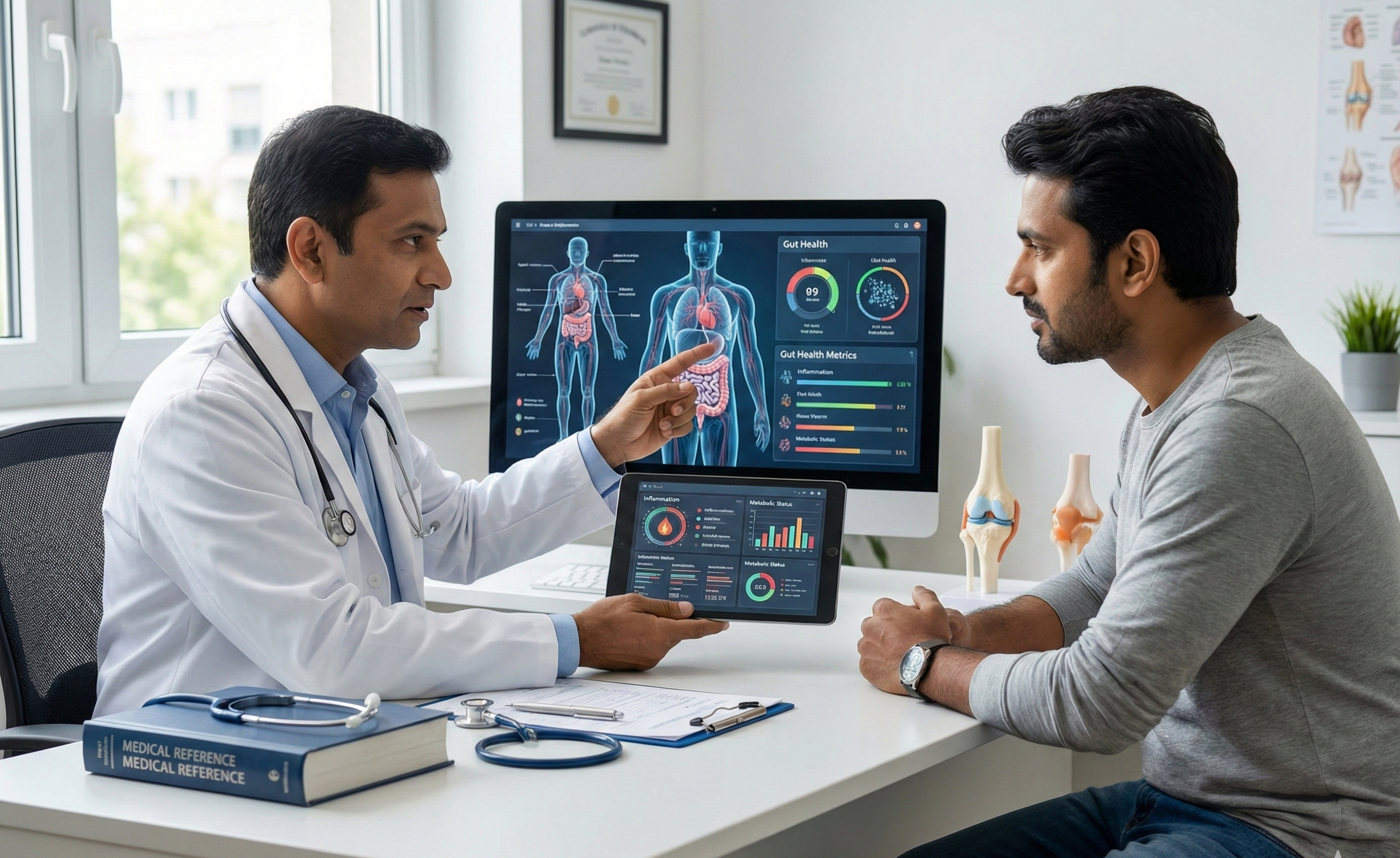
Every peptide-based recovery program begins with a detailed medical evaluation by experienced physicians. We assess injury history, inflammation patterns, gut health, metabolic status and overall medical background to …determine whether peptide therapy such as GHK-Cu or other regenerative peptides is appropriate. Existing conditions, medications and contraindications are carefully reviewed to ensure safety and clinical suitability.
Functional & Root-Cause Assessment
Rather than focusing only on surface-level symptoms, our approach emphasises identifying and addressing the underlying root causes contributing to impaired healing, inflammation, skin aging, or tissue dysfunction. Functional assessments help evaluate factors such as nutritional deficiencies, oxidative stress, chronic inflammation, lifestyle influences, and metabolic imbalances that may affect the body’s regenerative capacity. This ensures that GHK-Cu therapy is used as part of a targeted and meaningful treatment plan rather than in isolation.
Hormonal & Inflammatory Balance
Optimal tissue repair and skin regeneration depend heavily on hormonal stability and controlled inflammatory responses. At Clinic Living Plus, we evaluate hormonal and inflammatory markers to understand how they may influence healing, aging, and recovery processes. Where imbalances are identified, corrective strategies are incorporated to support the effectiveness of peptide therapy, promote cellular repair, and maintain overall physiological balance during treatment.
Personalised Nutrition for Recovery
Nutrition plays a foundational role in regenerative and peptide-based therapies. Each patient receives personalised nutritional guidance aimed at supporting collagen synthesis, antioxidant defence, tissue repair, and overall metabolic health. Nutritional strategies are designed to complement GHK-Cu therapy by providing the body with the essential building blocks required for effective regeneration, while also supporting copper balance and long-term wellness.
Evidence-Based Supplementation
Supplementation, when indicated, is selected based on clinical evidence and individual diagnostic findings. These supplements may support inflammation regulation, skin health, cellular repair, and nutrient balance during peptide therapy. All supplementation protocols are medically reviewed and monitored to ensure safety, avoid unnecessary excesses, and enhance the overall effectiveness of the treatment program.
IV Nutrition & Cellular Support
In selected cases, IV nutrition and cellular support therapies may be used to enhance nutrient delivery and support cellular function more efficiently. These therapies can assist in improving antioxidant status, reducing oxidative stress, and supporting tissue repair processes. IV interventions are administered only under medical supervision and are tailored based on individual clinical requirements.
Advanced Regenerative & Peptide Therapies
GHK-Cu therapy may be integrated with other advanced regenerative and peptide-based treatments when clinically appropriate. These combinations are carefully designed to support tissue regeneration, skin health, inflammation control, and recovery pathways. All advanced therapies are prescribed and monitored by medical professionals to ensure patient safety and alignment with evidence-based regenerative medicine practices.
Lifestyle, Recovery & Psychological Support
Long-term healing and regenerative outcomes depend not only on medical interventions but also on lifestyle and psychological factors. Patients are supported with guidance on sleep, stress management, physical activity, and recovery practices to optimise treatment response. Psychological well-being and lifestyle optimisation are considered essential components of a sustainable and effective peptide therapy program.
Diagnostic & Baseline Assessment for Peptide Therapy
Peptide therapy at Clinic Living Plus begins with a comprehensive diagnostic and baseline assessment. These evaluations help us understand the underlying factors affecting inflammation, tissue health, skin regeneration, metabolic balance, and overall recovery capacity before designing a personalised, medically supervised peptide therapy program.
Clinical Evaluation & Medical History Review
A detailed clinical evaluation is conducted to review medical history, previous illnesses or procedures, current symptoms, medications, and existing health conditions. This process helps determine whether peptide therapy such as GHK-Cu is clinically appropriate and identifies any potential contraindications or risk factors before initiating treatment. The evaluation ensures that therapy is tailored safely to the individual’s health profile and treatment goals.
Inflammatory & Hormonal Marker Assessment
Inflammatory and hormonal markers are assessed to understand how systemic inflammation, stress response, and hormonal balance may be influencing tissue repair, skin aging, or recovery processes. Identifying imbalances in these markers allows for targeted medical and lifestyle interventions that can enhance the effectiveness of peptide therapy while reducing the risk of adverse responses.
Micronutrient & Recovery Nutrient Assessment
Micronutrient and recovery nutrient levels are evaluated to identify deficiencies or imbalances that may impair tissue regeneration, collagen synthesis, antioxidant defence, or cellular repair. This assessment supports the development of personalised nutrition and supplementation strategies that complement peptide therapy and promote optimal healing and regenerative outcomes.
Body Composition & Metabolic Health Assessment
Body composition and metabolic health assessments provide insight into factors such as muscle mass, fat distribution, insulin sensitivity, and overall metabolic efficiency. These metrics help guide treatment planning by identifying metabolic barriers that may affect inflammation control, tissue repair, and long-term response to peptide-based interventions.
Imaging, Injury Evaluation & Functional Testing
When clinically indicated, imaging and functional testing are used to assess structural integrity, tissue health, and functional limitations. These evaluations support accurate diagnosis, help track baseline status, and allow clinicians to monitor progress throughout the course of peptide therapy, ensuring that treatment remains safe, appropriate, and effective over time.
Peptide Therapy & Recovery Options – Comparison
GHK-Cu (Copper Peptide) Therapy
How it Works
GHK-Cu is a naturally occurring copper-binding peptide that functions as a biological signaling molecule. It supports tissue repair by activating genes involved in collagen and elastin synthesis, regulating inflammatory pathways, promoting angiogenesis, and improving cellular regeneration. Its primary role is in skin rejuvenation, wound healing, scalp health, and connective tissue support rather than acute injury repair.
Who is the Candidate?
Individuals seeking support for skin aging, hair thinning, wound healing, scar repair, or tissue regeneration as part of a medically supervised regenerative or dermatological program.
Timeline:
Early improvements in skin quality and hydration may be noticed within 2–4 weeks. Visible improvements in firmness, elasticity, and tissue remodeling typically occur over 3–6 months, depending on baseline health and consistency of therapy.
GHK-Cu Combined With Growth Hormone–Based Peptides
How it Works
While GHK-Cu itself does not directly stimulate muscle growth, it may be combined with growth hormone–releasing peptides in advanced regenerative programs. In such combinations, GHK-Cu supports tissue repair, inflammation regulation, and connective tissue health, while GH-based peptides assist with metabolic efficiency, recovery capacity, and body composition support.
Who is the Candidate?
Individuals undergoing comprehensive regenerative or recovery programs who require both tissue repair support and metabolic or recovery optimisation under medical supervision.
Timeline:
Response timelines vary based on the combination protocol and individual health status. Improvements are typically observed over several weeks to months with consistent monitoring and personalised adjustments.
Peptide Therapy Within a Holistic Regenerative Program
How it Works
GHK-Cu therapy is most effective when integrated into a holistic regenerative program that includes personalised nutrition, lifestyle optimisation, stress management, and physical recovery strategies. This approach addresses both the biological signaling required for tissue repair and the systemic factors that influence healing and aging.
Who is the Candidate?
Individuals seeking sustainable, long-term improvements in skin health, tissue repair, recovery capacity, and overall physiological balance rather than isolated or short-term interventions.
Timeline: Ongoing. Progress is monitored continuously and protocols are adjusted based on clinical response and recovery markers.
Metabolic & Inflammatory Optimisation
How it Works
Optimising metabolic health and controlling chronic inflammation enhances the effectiveness of peptide therapy. This may include targeted nutritional strategies, supplementation, and medical interventions aimed at improving insulin sensitivity, reducing oxidative stress, and supporting cellular repair processes alongside GHK-Cu therapy.
Who is the Candidate?
Individuals with metabolic imbalances, chronic inflammation, or slowed regenerative capacity that may limit response to peptide-based interventions.
Typically 4–8 weeks for measurable improvements, depending on baseline metabolic health.
Monitoring, Imaging & Functional Assessment
How it Works
Ongoing monitoring through clinical evaluations, laboratory testing, and functional assessments ensures that peptide therapy remains safe and effective. These evaluations allow for timely adjustments to dosing, supportive therapies, and recovery strategies while tracking progress throughout the treatment program.
Who is the Candidate?
All patients undergoing peptide therapy who require structured medical oversight, safety monitoring, and outcome tracking.
Timeline: Continuous throughout the course of treatment.
Lifestyle, Recovery & Stress Optimisation
How it Works
Lifestyle factors such as sleep quality, stress levels, physical activity, and recovery habits significantly influence regenerative outcomes. Optimising these factors supports the body’s response to GHK-Cu therapy, enhances tissue repair, and reduces the risk of delayed healing or suboptimal results.
Who is the Candidate?
Individuals experiencing high stress, poor sleep, burnout, or lifestyle-related barriers to recovery and regeneration.
Timeline: Ongoing.
Who Should Avoid Peptide Therapy
How it Works
Peptide therapy is not suitable for everyone and requires careful medical screening. Certain health conditions, physiological states, or expectations may increase risk or limit safety.
Who is not a Candidate?
Peptide therapy may not be recommended for individuals with active or recent cancer, pregnant or breastfeeding women, people with known copper metabolism disorders, severe uncontrolled medical conditions, or those seeking unsupervised self-administration.
Monitoring, Safety & Long-Term Follow-up in Peptide Therapy
Peptide therapy requires careful monitoring, medical supervision and long-term follow-up to ensure safety, effectiveness and sustainable recovery. At Clinic Living Plus, all peptide-based programs are continuously reviewed and adjusted based on clinical response, diagnostic markers and individual recovery progress.
Clinical & Blood Marker Monitoring
Regular blood tests and clinical markers are monitored to assess inflammation levels, metabolic health and overall response to peptide therapy. This helps ensure safe dosing, early identification of imbalances and timely adjustments to the treatment plan.
Nutrition & Supplement Oversight
Ongoing monitoring ensures that nutrition plans and supportive supplements effectively aid tissue repair and recovery without causing deficiencies or excesses. Adjustments are made based on diagnostic results, recovery demands and individual health goals.
Physical Recovery & Overall Well-being Evaluation
Regular evaluations track physical recovery, energy levels, pain reduction and functional improvement throughout the peptide therapy program. Any concerns related to fatigue, discomfort or healing progress are addressed promptly to support overall well-being.
Protocol Adjustments Under Medical Supervision
All peptide dosing, supportive therapies and recovery protocols are adjusted strictly under medical supervision. Treatment plans are fine-tuned based on clinical progress, tolerance and safety markers to optimise outcomes while minimising risk.
Educational Case Example (GHK-Cu Therapy)
Shreya Jain, a 45-year-old individual, presented with visible signs of skin aging, reduced skin elasticity, and delayed healing following minor dermatological procedures. She was seeking a non-invasive, medically supervised regenerative approach to improve skin quality and tissue repair.
Before Treatment
Skin Status: Reduced elasticity and firmness
Inflammation: Mild chronic skin inflammation
Texture & Tone: Uneven texture, early fine lines
Recovery Progress: Slow healing with conventional skincare
After 4 Months
Skin & Texture: Improved firmness and elasticity
Inflammation: Visible reduction in redness and irritation
Collagen Response: Improved skin tone and hydration
Recovery Response: Positive regenerative response observed
Under a medically supervised regenerative program including GHK-Cu therapy, targeted nutrition support, and personalised skincare guidance, Ritika experienced gradual improvements in skin quality, elasticity, and recovery response over several weeks.
Why Choose Clinic Living Plus for GHK-Cu–Based Therapy
Clinic Living Plus offers medically supervised, evidence-based peptide therapy as part of a structured functional medicine approach. Here are the key reasons patients choose our clinic:
Doctor-Led Functional Medicine Care
Our peptide-based recovery programs are guided by experienced medical professionals and integrated within a functional medicine framework. This ensures copper peptide therapies such as GHK-Cu are used safely, ethically and only when clinically appropriate.
Multi-Disciplinary Recovery Team
Our team includes physicians, functional medicine specialists, nutrition experts and rehabilitation professionals who collaborate to design personalised recovery programs tailored to inflammation, tissue healing and overall health.
Safety-First Monitoring & Medical Oversight
Peptide therapy requires ongoing medical monitoring. We track clinical response, inflammation markers and overall recovery progress to ensure safety, appropriate dosing and timely treatment adjustments.
Focus on Sustainable Recovery Outcomes
Our approach prioritises long-term healing and functional recovery rather than short-term symptom relief. By addressing inflammation, tissue health and lifestyle factors, we support sustainable, meaningful recovery outcomes.
Frequently Asked Questions
GHK-Cu supports recovery by activating repair-related genes, regulating inflammation, promoting collagen and elastin production, and improving blood vessel formation. These mechanisms contribute to improved skin quality, wound healing, and connective tissue support.
Yes, GHK-Cu is commonly explored for skin rejuvenation, anti-aging support, and hair and scalp health. It may help improve skin elasticity, reduce fine lines, support wound healing, and promote healthier hair follicles.
GHK-Cu is commonly discussed in relation to skin rejuvenation, anti-aging support, hair thinning, wound and scar healing, inflammation regulation, and tissue repair within regenerative and aesthetic medicine programs.
Timelines vary based on individual factors and treatment goals. Some people notice improvements in skin texture or hydration within a few weeks, while more visible changes in firmness, elasticity, or hair quality may take several months with consistent, supervised use.
GHK-Cu is generally well tolerated when used under medical supervision. Possible side effects may include mild skin irritation or sensitivity, particularly with topical use. Proper dosing and monitoring are important due to its copper-binding properties.
GHK-Cu is not primarily a performance or injury-repair peptide. However, it may offer supportive benefits related to inflammation control and connective tissue health when used as part of a broader, medically guided recovery or wellness program.
Yes, GHK-Cu has been studied for its role in wound healing and tissue repair. It may support controlled inflammation, collagen synthesis, and tissue remodeling, which are important for effective healing.
GHK-Cu therapy is not recommended for pregnant or breastfeeding women, children, individuals with active cancer, or those with copper metabolism disorders such as Wilson’s disease. Medical evaluation is essential before considering therapy.
You can book a GHK-Cu consultation at Clinic Living Plus by calling 072931 11120. All consultations are conducted by qualified medical professionals to determine whether copper peptide therapy is appropriate for your individual needs.
Book Your GHK-Cu Therapy Consultation
Take the first step towards understanding your skin, hair, and regenerative health options. Our medical team offers personalised, doctor-guided evaluation to determine whether GHK-Cu (copper peptide) therapy is appropriate for your individual goals and medical profile.
Call Us
+91 72931 11120
info@Cliniclivingplus
Location
HSR Layout, Bengaluru, Karnataka 560102
Hours
Mon-Sun: 9:00 AM - 7:00 PM