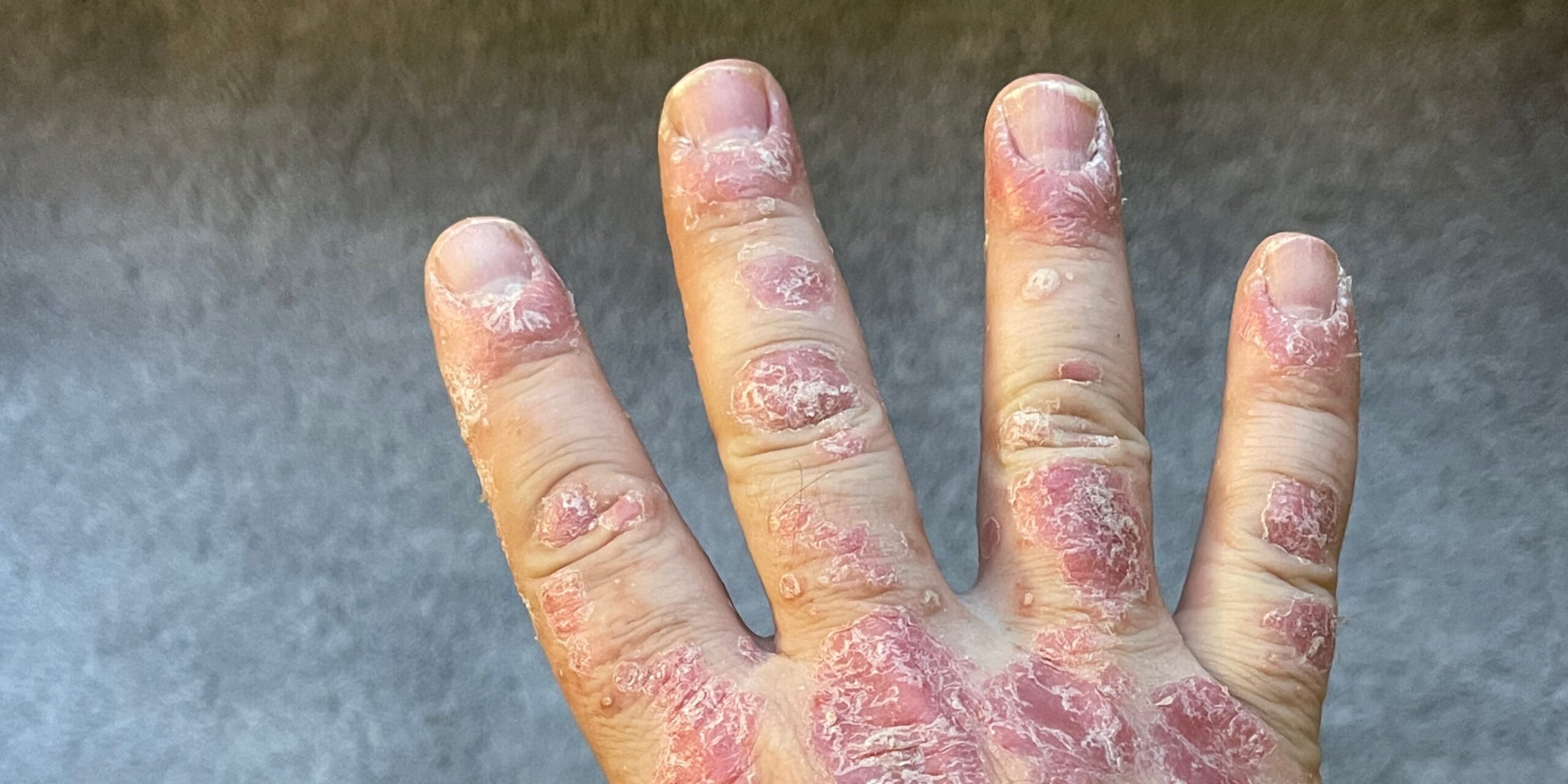
Get personalized and advanced care for nail psoriasis at Clinic Living Plus, Bangalore. Our doctors focus on root-cause diagnosis, advanced therapies, and holistic immune care to restore healthy, strong nails.
Nail psoriasis is an autoimmune condition that affects fingernails and toenails, leading to pitting, thickening, discoloration, and nail deformation. It occurs when inflammation at the nail bed disrupts healthy nail cell growth.
In India, around 48% of psoriasis patients experience nail involvement.
If you notice changes such as red or yellow nail patches, brittle nails, or pain under the nail, you may be suffering from nail psoriasis.
At Clinic Living Plus, Bangalore, our specialists provide personalized care using advanced and holistic therapies to restore your nail health and appearance.
Conventional nail psoriasis treatments often rely only on topical creams or oral steroids, which may reduce surface symptoms but fail to fix the internal inflammation.
Because nail psoriasis is immune-mediated, it needs more than symptomatic relief — it requires a root-cause correction.
Many patients relapse after stopping conventional medications since those treatments don’t balance the autoimmune response, stress triggers, or nutritional deficiencies that drive the condition.
At Clinic Living Plus, Bangalore, we follow a multi-faceted and root-cause-based approach to treat nail psoriasis effectively.
Our doctors combine:
Medical treatments (topical/oral medicines to control inflammation),
Advanced therapies (PRP, peptide therapy, laser, and phototherapy), and
Functional medicine (to address immunity, stress, and nutrition).
This integrated approach not only improves nail texture and strength but also prevents future flare-ups by correcting internal imbalances.

Conventional nail psoriasis treatments like steroid creams, medicated ointments, or oral medicines often provide only temporary relief. Since nail psoriasis is an autoimmune disorder, its treatment requires a personalized and root-cause approach that goes beyond just surface healing.
Check the key reasons below why conventional treatments may not work for psoriasis:
Over time, continuous use of topical or oral corticosteroids can reduce their effectiveness. While these medicines may initially suppress inflammation, the symptoms often return once treatment is stopped, making relief short-lived.
Traditional treatments focus only on visible nail symptoms like pitting or discoloration, but they fail to correct the underlying immune dysfunction and inflammation at the nail bed — the real cause of nail psoriasis.
Conventional care rarely considers lifestyle contributors such as stress, poor diet, or smoking. These factors can worsen inflammation and trigger frequent relapses even during treatment.
Prolonged use of strong medications like corticosteroids or immunosuppressants may cause side effects including nail thinning, increased infection risk, and long-term immune suppression.
Nail psoriasis can be mistaken for fungal infections or other nail conditions, leading to the wrong treatment plan. A lack of proper diagnostic evaluation delays recovery and worsens the nail condition.
Most conventional therapies manage visible symptoms temporarily but fail to prevent nail thickening, brittleness, or detachment from recurring. Once the medication course ends, flare-ups often return.
According to studies, around 48% of psoriasis patients in India experience nail involvement, making it one of the most common psoriasis subtypes.
This statistic highlights how frequently nail psoriasis affects individuals across India, especially those with autoimmune and chronic inflammatory conditions.
Early diagnosis, stress management, and a personalized, multi-disciplinary treatment approach can help control inflammation, prevent nail damage, and restore healthy nail growth effectively.
Nail psoriasis is an autoimmune disorder that causes pitting, thickening, and discoloration in the fingernails and toenails. It occurs when inflammation affects the nail bed, disrupting the normal growth cycle of new nail cells that usually renew every 28 to 30 days. This leads to visible changes such as dents, grooves, brittleness, and nail lifting.
The condition is often triggered by factors such as stress, infections, trauma, poor diet, alcohol consumption, smoking, certain medications, and weather changes. Early diagnosis, stress management, and a personalized, multi-disciplinary treatment approach help control inflammation, strengthen nails, and restore their natural appearance.
At Clinic Living Plus in Bangalore, we follow an advanced and integrative approach to treat nail psoriasis by addressing both the visible nail changes and the internal immune imbalance that causes them.
Our treatment plan combines medical therapies, advanced regenerative care, and functional medicine to restore healthy nail growth and prevent recurrence.
Here are the key inclusions of our nail psoriasis treatment process:
Our dermatologist performs a detailed nail examination to identify signs of pitting, discoloration, or thickening. A proper diagnosis helps differentiate nail psoriasis from fungal infections and determines the most suitable treatment — whether topical, oral, or advanced therapy.
We evaluate underlying causes like stress, gut health, diet, and immune imbalance that contribute to nail psoriasis. Functional medicine helps regulate immune response and inflammation from within, improving long-term outcomes.
Comprehensive blood and lab tests are done to check for inflammation markers, vitamin deficiencies, and immune activity. These results guide your personalized treatment plan and help monitor the body’s response throughout the therapy.
Stress and diet play a major role in flare-ups. Our experts design a personalized nutrition and stress management plan to support nail regeneration, reduce inflammation, and promote stronger, healthier nails.
Our Nail Psoriasis treatment at Clinic Living Plus, Bangalore begins with a thorough diagnostic and baseline assessment to identify the underlying causes of inflammation, immune imbalance, and nutritional deficiencies.
These evaluations help design a personalized plan for faster healing and long-term nail recovery.
We assess immune activity and inflammation levels through specific blood tests to understand the severity of your autoimmune response. This helps determine whether the nail psoriasis is linked to systemic inflammation or localized nail bed changes.
Nutrient imbalances—especially low Vitamin D, B12, zinc, or iron—can worsen nail psoriasis. We perform detailed micronutrient tests to guide supplementation and support nail regrowth.
Before starting medical or advanced therapies, we evaluate your liver and kidney function to ensure safe treatment, particularly for patients using oral or systemic medications.
Hormonal fluctuations and thyroid dysfunction can contribute to psoriasis flares. Testing these parameters helps in identifying hidden triggers and managing the condition more effectively.
Since gut inflammation and poor microbiome health are often linked to autoimmune skin disorders, our testing helps identify food sensitivities and imbalances that could be worsening your psoriasis symptoms.
Before beginning treatment for nail psoriasis at Clinic Living Plus, Bangalore, our experts conduct a thorough diagnostic and baseline assessment.
These tests help identify the root causes such as immune dysfunction, inflammation, and nutritional imbalances to create a tailored recovery plan.
Thyroid imbalances can worsen autoimmune reactions and trigger nail psoriasis flare-ups. Evaluating thyroid function helps us rule out hormonal causes and manage the condition more effectively.
Vitamin D plays a major role in immune regulation and nail cell growth. We assess Vitamin D levels since deficiencies can delay healing and worsen nail thickening and discoloration.
We evaluate immune and inflammatory markers to determine the extent of autoimmune activity. This helps tailor your medical or functional medicine protocol to control inflammation at its source.
As gut health and stress have a direct impact on psoriasis, we assess microbiome balance and stress hormone levels. This enables a holistic plan to repair gut health, reduce inflammation, and prevent future flares.
Topical and oral medications help control inflammation, redness, and nail thickening by targeting the overactive immune response. They reduce scaling and improve the appearance of the nails over time.
Individuals with mild to moderate nail psoriasis or early symptoms like pitting, discoloration, or thickening.
Non-invasive light and laser therapies target the nail bed to reduce inflammation, slow abnormal skin cell growth, and promote healthy nail regeneration.
People with chronic or stubborn nail psoriasis that doesn’t respond to topical treatment.
Platelet-Rich Plasma (PRP) and peptide therapy stimulate healing, repair damaged nail tissue, and reduce inflammation. These treatments also strengthen nail growth and minimize recurrence.
Ideal for patients with chronic nail psoriasis who require regenerative support to rebuild nail structure and improve appearance.
Modulates the immune system and heals the skin.
People with scalp/nail psoriasis.
Ozone and IV drips help detoxify the body, improve oxygen flow, and balance the immune system. They reduce inflammation and oxidative stress that trigger psoriasis flare-ups.
All types of psoriasis patients.
Functional medicine identifies and corrects internal causes such as gut imbalance, stress, or nutritional deficiencies that worsen psoriasis. It focuses on long-term healing by improving immune and metabolic health.
Patients with recurring or treatment-resistant nail psoriasis who need a root-cause approach for lasting results.
Nail psoriasis requires ongoing care, lifestyle balance, and monitoring to prevent recurrence and maintain nail strength. At Clinic Living Plus, we focus on holistic long-term management through nutrition, stress reduction, and regular follow-ups to ensure sustainable recovery.
A nutrient-rich, anti-inflammatory diet supports nail recovery and immunity. Include foods high in vitamin D, zinc, and omega-3 fatty acids to strengthen nail beds and control inflammation. Avoid processed foods and alcohol that may worsen flare-ups.
Chronic stress is a major trigger for nail psoriasis flare-ups. We help patients adopt relaxation techniques like yoga, meditation, and deep-breathing exercises to lower cortisol levels and improve sleep quality, aiding long-term nail health.
Keep nails and cuticles hydrated by using fragrance-free moisturizers and mild cleansers. Hydration prevents cracking, dryness, and pain around the nails while maintaining the natural barrier of the nail bed.
Moderate sun exposure helps improve psoriasis symptoms by supporting vitamin D synthesis and reducing skin inflammation. However, we recommend limited exposure under guidance to avoid irritation or sunburn.
Rohini Nair, a 40-year-old IT consultant from Bangalore, had been struggling with chronic nail psoriasis for over four years.
Her nails had become discolored, brittle, and painful, which affected her confidence and daily work routine. She had tried multiple topical creams and antifungal treatments but experienced little relief.
At Clinic Living Plus, she underwent a personalized treatment plan that included laser therapy, PRP sessions, and functional medicine support to address inflammation and immunity imbalance. The improvement was remarkable.
Nail discoloration with yellow and brown patches
Pain and discomfort while typing and daily tasks
Nails were thick, brittle, and breaking easily
Visible ridges and deep pitting on multiple nails
Emotional distress and social discomfort
80% improvement in nail appearance and strength
Reduced discoloration and visible regrowth of healthy nails
Pain-free fingertips with smoother nail surface
Boosted confidence and improved hand aesthetics
Controlled inflammation with fewer flare-ups
After six months of treatment at Clinic Living Plus, Rohini’s nails showed visible regeneration.
Her pain subsided, discoloration nearly vanished, and her confidence returned.
With regular follow-ups, nutrition, and immune balancing therapies, she now maintains healthy nails and long-term remission from psoriasis.
No, nail psoriasis isn’t curable since it’s a long-term chronic disorder. However, you can control the symptoms with the right treatment and certain lifestyle recommendations.
Fingernails may take approximately 6 months and toenails may take up to 1 year to recover with the right nail psoriasis treatment.
No, nail psoriasis can’t spread to other people even via skin-to-skin contact.
PRP isn’t that effective for nail psoriasis, but it can control the symptoms because of its regenerative and anti-inflammatory properties.
Here are the vitamins that can help in curing nail psoriasis:
Consult our doctor at CLP, Bangalore as we can suggest the right vitamins and supplements depending on the severity of your nail psoriasis disorder.
Take the first step towards pain-free living. Our expert team is ready to help you with personalized, root-cause treatment for lasting Nail psoriasis
+91 72931 11120
info@Cliniclivingplus.com
HSR Layout, Bengaluru, Karnataka 560102
Mon-Sun: 9:00 AM - 7:00 PM
WhatsApp us