
Buy BPC-157 Online in India:
What You Should Know Before Using This Peptide
Being the most effective peptide for inflammation, BPC-157, with its anti-inflammatory properties, can help control swelling and joint pain post-injury or surgery, without the use of hazardous steroids/NSAIDs.
Do you want to buy BPC-157 online? Here, you will learn the things you should know before using this peptide.
Understanding BPC-157 Peptide Therapy
BPC-157 (Body Protection Compound-157) is a synthetic peptide derived from a naturally occurring protein found in gastric juice. It has gained attention for its potential role in reducing inflammation, accelerating tissue repair and supporting healing in muscles, tendons, ligaments, joints and the gut. Unlike conventional pain-management approaches that rely on NSAIDs or steroids, BPC-157 is explored for its regenerative and protective properties at a cellular level.
Interest in BPC-157 has grown due to encouraging preclinical research and its increasing use within functional and regenerative medicine programs. While studies suggest benefits in tissue repair, angiogenesis and inflammation control, peptide therapy should always be approached with caution. Proper medical evaluation and supervision are essential to ensure safety, correct dosing and integration into a structured recovery or performance-optimization plan.
What Is BPC-157 (Body Protection Compound-157)?
BPC-157 is a laboratory-synthesized peptide composed of 15 amino acids. It is modeled after a naturally occurring protective compound found in the human stomach and is being studied for its regenerative, anti-inflammatory and cytoprotective properties.
Preclinical studies suggest that BPC-157 may help promote blood vessel formation (angiogenesis), enhance tissue repair signaling and support healing in musculoskeletal structures and the gastrointestinal tract. Due to its experimental status, it is typically considered only under medical supervision within functional or regenerative care programs.
Our Medical Approach to Peptide Therapy
At Clinic Living Plus, peptide therapy is never used as a standalone or unsupervised solution. Our approach focuses on identifying root causes of inflammation, injury or delayed recovery and integrating peptides like BPC-157 only when clinically appropriate.
Every peptide protocol is guided by medical evaluation, diagnostic markers and continuous monitoring. BPC-157 is incorporated alongside physiotherapy, nutrition, lifestyle optimization and recovery strategies to ensure safety, effectiveness and long-term health outcomes.
Why Is BPC-157 Gaining Popularity?

Interest in BPC-157 is increasing due to its potential role in tissue repair, inflammation control and recovery support:
Sports, Gym & Overuse Injuries
BPC-157 is widely explored for recovery from sports and gym-related injuries, including muscle strains, tendon tears and ligament damage. Preclinical studies suggest it may accelerate tissue repair, reduce inflammation and support blood vessel formation, which are essential for healing after repetitive stress or acute injury.
Chronic Tendon, Ligament & Joint Pain
Individuals with long-standing tendon or ligament pain often look for regenerative options beyond painkillers. BPC-157 is studied for its role in fibroblast activation, collagen repair and inflammatory modulation, which may help support long-term structural healing rather than temporary symptom relief.
Gut Inflammation & Digestive Recovery
Originally derived from a gastric protein, BPC-157 is studied for its protective effects on the gut lining. It may help support recovery in conditions involving gut inflammation, increased permeability and digestive stress by improving blood flow, tissue regeneration and inflammatory balance.
Post-Surgical & Injury Rehabilitation
BPC-157 is often discussed in post-surgical and injury-rehabilitation contexts due to its potential to promote angiogenesis, nerve repair and tissue regeneration. When used under medical supervision, it may support structured recovery programs alongside physiotherapy, nutrition and lifestyle optimisation.
Medical Disclaimer: BPC-157 is not an approved pharmaceutical drug. Current evidence is largely preclinical. Peptide therapy should only be considered under medical supervision as part of a structured functional or regenerative medicine program.
Potential Uses and Considerations of BPC-157
BPC-157 is being explored for its potential applications in musculoskeletal healing, inflammation control and gut health support. Preclinical research suggests that it may promote angiogenesis, protect tissues from oxidative stress and support cellular repair mechanisms in muscles, tendons, ligaments, joints and the gastrointestinal tract.
Despite growing interest, it is important to understand that BPC-157 is not a standalone solution or a replacement for conventional medical care. Its use is experimental and should be carefully evaluated within a broader clinical context. Medical supervision helps ensure appropriate dosing, monitoring for side effects and integration with physiotherapy, nutrition and lifestyle interventions.
BPC-157 is commonly discussed in relation to:
• Tendon and ligament injury recovery
• Muscle repair and joint inflammation
• Post-surgical rehabilitation
• Gut lining and digestive support
• Integrated regenerative medicine programs
Our Medically-Led, Holistic Approach to Peptide Therapy
At Clinic Living Plus in Bangalore, peptide therapy is delivered through a structured, medically-led and multi-disciplinary care model:
Comprehensive Medical Evaluation
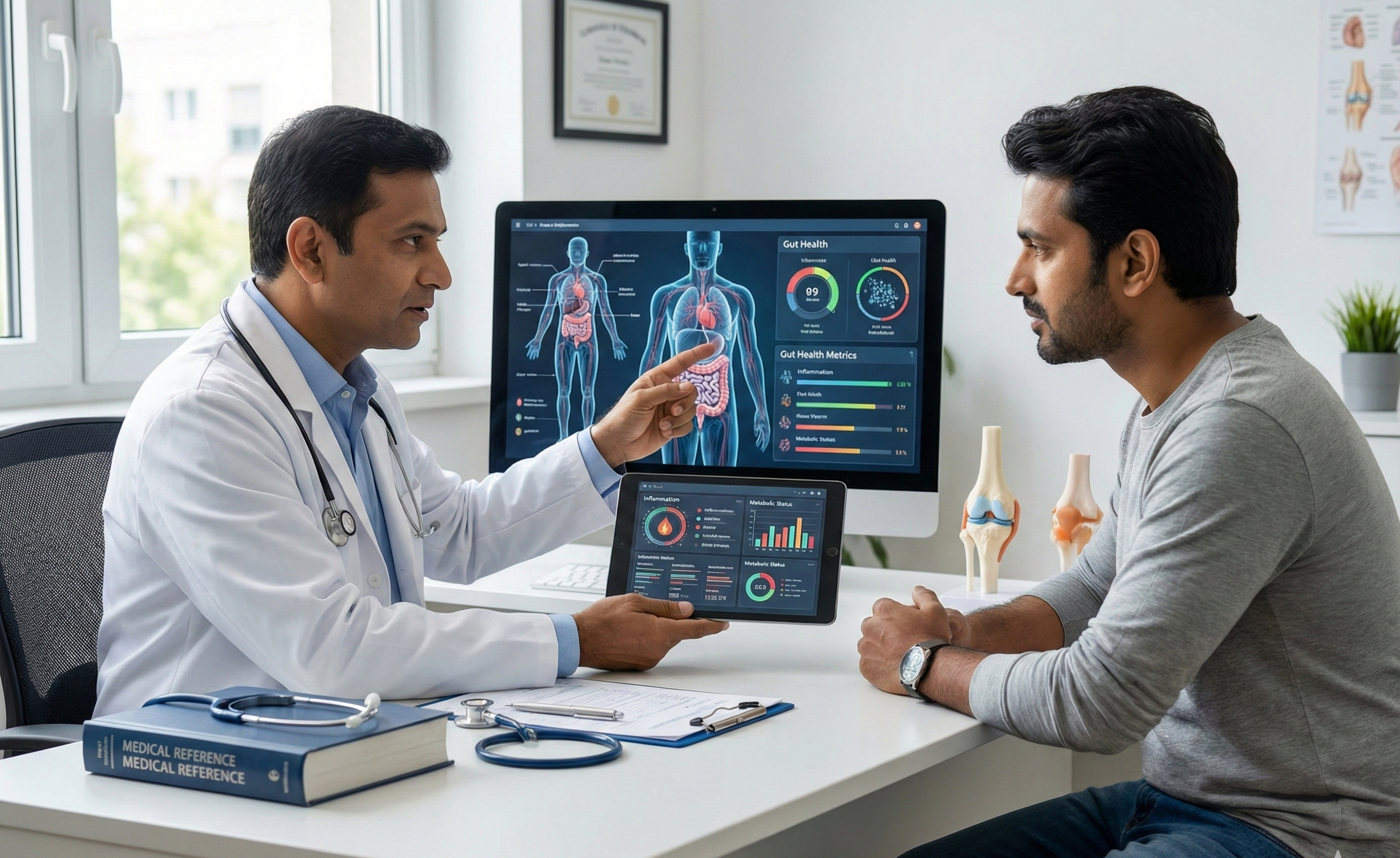
Every peptide-based recovery program begins with a detailed medical evaluation by experienced physicians. We assess injury history, inflammation patterns, gut health, metabolic status and overall medical background to determine whether peptide therapy such as BPC-157 is appropriate. Existing conditions, medications and contraindications are carefully reviewed to ensure safety and clinical suitability.
Functional & Root-Cause Assessment

Our functional medicine assessment focuses on identifying underlying contributors to delayed healing, chronic inflammation or recurrent injuries. This includes evaluation of metabolic health, nutrient status, gut integrity, stress load and recovery capacity. Addressing root causes allows peptide therapy to work more effectively as part of a comprehensive healing plan.
Hormonal & Inflammatory Balance

Hormonal imbalances and systemic inflammation can significantly impair tissue repair and recovery. We evaluate relevant hormonal and inflammatory markers and optimise them through medical guidance, lifestyle modification and targeted interventions to create an internal environment that supports healing alongside peptide therapy.
Personalised Nutrition for Recovery

Nutrition plays a critical role in tissue regeneration and inflammation control. Our personalised nutrition plans support collagen synthesis, muscle repair and gut health, ensuring the body has the necessary building blocks to respond effectively to therapies such as BPC-157.
Evidence-Based Supplementation
Where required, we incorporate evidence-based supplements to support healing pathways, antioxidant defence and connective tissue repair. Supplementation is always personalised and clinically supervised to complement peptide therapy rather than replace medical care.
IV Nutrition & Cellular Support

IV nutrition therapy may be used to rapidly replenish key nutrients, amino acids and antioxidants that support cellular repair and recovery. When integrated appropriately, IV therapy can enhance energy levels, reduce oxidative stress and improve overall responsiveness to regenerative treatments.
Advanced Regenerative & Peptide Therapies

BPC-157 and other regenerative therapies are considered only when clinically indicated. These therapies are used as part of a broader recovery framework that may include physiotherapy, rehabilitation and lifestyle optimisation. All peptide use is medically supervised with clear protocols and ongoing monitoring.
Lifestyle, Recovery & Psychological Support

Healing and recovery are strongly influenced by sleep quality, stress levels and psychological wellbeing. We provide guidance on sleep optimisation, stress management and sustainable lifestyle changes to support long-term recovery and prevent recurrence of injury or inflammation.
Diagnostic & Baseline Assessment for Peptide Therapy
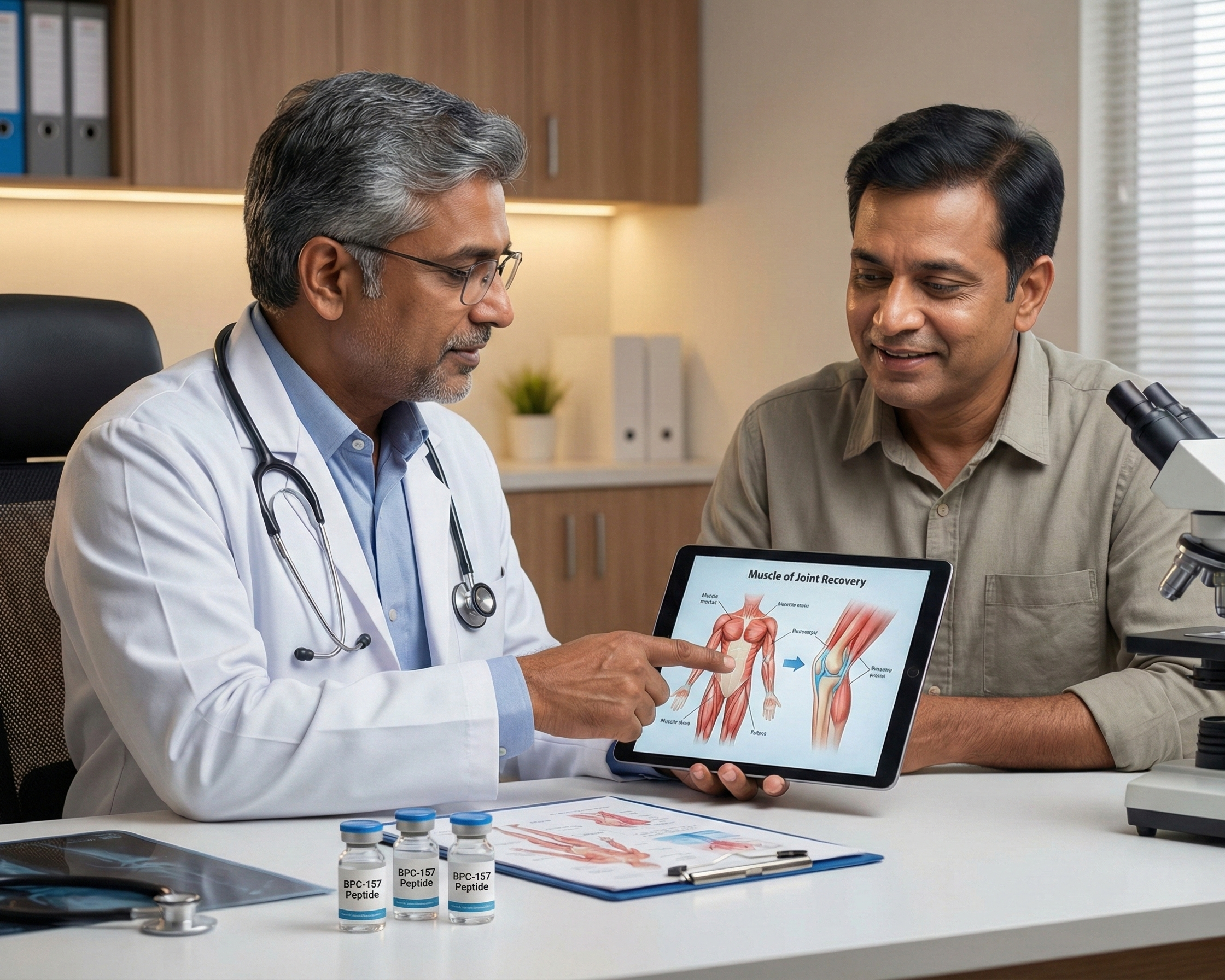
Peptide therapy at Clinic Living Plus begins with a comprehensive diagnostic and baseline assessment. These evaluations help us understand the underlying factors affecting inflammation, tissue healing, metabolic health and recovery capacity before designing a personalised, medically supervised peptide program.
Clinical Evaluation & Medical History Review
A detailed clinical evaluation is conducted to review medical history, prior injuries, surgeries, medications and existing health conditions. This helps determine whether peptide therapy such as BPC-157 is appropriate and identifies any contraindications before initiating treatment.
Inflammatory & Hormonal Marker Assessment
Relevant hormonal and inflammatory markers are assessed to understand factors that may impair healing or recovery. Addressing imbalances in these systems creates a physiological environment that supports tissue repair and improves responsiveness to peptide therapy.
Micronutrient & Recovery Nutrient Assessment
Micronutrient levels essential for tissue repair, collagen synthesis and antioxidant defence are evaluated. Deficiencies can slow recovery and limit the effectiveness of regenerative therapies, making targeted correction an important part of the treatment plan.
Body Composition & Metabolic Health Assessment
Body composition, metabolic health and insulin sensitivity are assessed to identify factors that may contribute to chronic inflammation or delayed healing. Optimising metabolic health improves overall recovery capacity and long-term outcomes.
Imaging, Injury Evaluation & Functional Testing
Where clinically indicated, imaging and functional assessments may be used to evaluate tissue damage, joint integrity or recovery progress. These insights help guide therapy selection, monitor response and refine peptide protocols over time.
Diagnostic & Baseline Assessment
Clinical Evaluation & Medical History Review
A detailed clinical evaluation is conducted to review medical history, prior injuries, surgeries, medications and existing health conditions. This helps determine whether peptide therapy such as BPC-157 is appropriate and identifies any contraindications before initiating treatment.
Inflammatory & Hormonal Marker Assessment
Relevant hormonal and inflammatory markers are assessed to understand factors that may impair healing or recovery. Addressing imbalances in these systems creates a physiological environment that supports tissue repair and improves responsiveness to peptide therapy.
Micronutrient & Recovery Nutrient Assessment
Micronutrient levels essential for tissue repair, collagen synthesis and antioxidant defence are evaluated. Deficiencies can slow recovery and limit the effectiveness of regenerative therapies, making targeted correction an important part of the treatment plan.
Body Composition & Metabolic Health Assessment
Body composition, metabolic health and insulin sensitivity are assessed to identify factors that may contribute to chronic inflammation or delayed healing. Optimising metabolic health improves overall recovery capacity and long-term outcomes.
Imaging, Injury Evaluation & Functional Testing
Where clinically indicated, imaging and functional assessments may be used to evaluate tissue damage, joint integrity or recovery progress. These insights help guide therapy selection, monitor response and refine peptide protocols over time.
Peptide Therapy & Recovery Options – Comparison
BPC-157 Peptide Therapy
How it Works
BPC-157 works by reducing inflammation, supporting angiogenesis (formation of new blood vessels) and accelerating tissue repair in muscles, tendons, ligaments, joints and the gut. It acts at a cellular level to enhance the body’s natural healing mechanisms.
Who is the Candidate?
Individuals with sports or gym-related injuries, chronic tendon or ligament pain, post-surgical recovery needs, gut inflammation or delayed healing despite conventional treatments.
Timeline:
Initial response may be seen in 2–4 weeks; structural healing typically progresses over 3–6 months depending on the condition.
BPC-157 + TB-500 Combination Therapy
How it Works
TB-500 is often combined with BPC-157 to provide systemic anti-inflammatory support and enhanced cellular migration. While BPC-157 focuses on local tissue repair, TB-500 supports broader recovery and flexibility across multiple tissues.
Who is the Candidate?
Patients requiring both local injury repair and systemic recovery support, especially those with multiple injury sites or slow overall healing.
Timeline:
4–12 weeks for noticeable systemic improvements; full protocols vary based on clinical response.
Peptide Therapy Within a Holistic Recovery Program
How it Works
Peptide therapy is integrated with personalised nutrition, physiotherapy and lifestyle optimisation to support tissue regeneration, reduce inflammation and prevent recurrence. This approach enhances outcomes beyond peptide use alone.
Who is the Candidate?
Individuals seeking long-term recovery, functional improvement and sustainable healing rather than short-term symptom relief.
Timeline: Ongoing, depending on recovery goals and clinical monitoring.
Metabolic & Inflammatory Optimisation
How it Works
Optimising metabolic health and reducing systemic inflammation improves tissue repair capacity and enhances the effectiveness of peptide therapy. This may include body composition management, insulin sensitivity improvement and inflammation control.
Who is the Candidate?
Individuals with metabolic imbalance, chronic inflammation or slower healing linked to lifestyle or metabolic factors.
Timeline: 8–24 weeks depending on baseline metabolic health.
Monitoring, Imaging & Functional Assessment
How it Works
Ongoing monitoring through clinical evaluations, functional assessments and imaging (where required) helps track healing progress, adjust peptide dosing and ensure safety throughout the recovery process.
Who is the Candidate?
Patients undergoing peptide therapy who require structured medical oversight and outcome tracking.
Timeline: Continuous during treatment.
Lifestyle, Recovery & Stress Optimisation
How it Works
Sleep quality, stress levels and recovery habits strongly influence inflammation and tissue repair. Lifestyle optimisation supports the body’s response to peptide therapy and reduces the risk of reinjury or delayed healing.
Who is the Candidate?
Individuals with high stress levels, poor sleep, burnout or lifestyle-related recovery limitations.
Timeline: Ongoing.
Who Should Avoid Peptide Therapy
How it Works
Peptide therapies are not suitable for everyone. Careful screening helps identify individuals for whom these therapies may pose risks or lack sufficient safety data.
Who is not a Candidate?
Not recommended for individuals with active or prior cancer, pregnant or breastfeeding women, children, severe autoimmune disease or those seeking unsupervised self-administration.
Monitoring, Safety & Long-Term Follow-up in Peptide Therapy
Peptide therapy requires careful monitoring, medical supervision and long-term follow-up to ensure safety, effectiveness and sustainable recovery. At Clinic Living Plus, all peptide-based programs are continuously reviewed and adjusted based on clinical response, diagnostic markers and individual recovery progress.
Clinical & Blood Marker Monitoring
Regular blood tests and clinical markers are monitored to assess inflammation levels, metabolic health and overall response to peptide therapy. This helps ensure safe dosing, early identification of imbalances and timely adjustments to the treatment plan.
Nutrition & Supplement Oversight
Ongoing monitoring ensures that nutrition plans and supportive supplements effectively aid tissue repair and recovery without causing deficiencies or excesses. Adjustments are made based on diagnostic results, recovery demands and individual health goals.
Physical Recovery & Overall Well-being Evaluation
Regular evaluations track physical recovery, energy levels, pain reduction and functional improvement throughout the peptide therapy program. Any concerns related to fatigue, discomfort or healing progress are addressed promptly to support overall well-being.
Protocol Adjustments Under Medical Supervision
All peptide dosing, supportive therapies and recovery protocols are adjusted strictly under medical supervision. Treatment plans are fine-tuned based on clinical progress, tolerance and safety markers to optimise outcomes while minimising risk.
Educational Case Example

Ritika Singh , a 45-year-old individual presented with a chronic tendon injury associated with persistent pain, reduced mobility and delayed healing following repeated physical strain.
Before Treatment
Injury Status: Chronic tendon inflammation
Pain & Mobility: Persistent discomfort, limited movement
Recovery Progress: Minimal with conventional care
After 4 Months
Pain & Mobility: Gradual improvement observed
Functional Movement: Improved stability and range
Recovery Response: Positive clinical progress
Under a medically supervised recovery program including BPC-157, TB-500, physiotherapy and targeted nutrition support, Ritika experienced gradual improvement in pain levels, mobility and functional recovery over several weeks.
Why Choose Clinic Living Plus for Peptide-Based Recovery
Clinic Living Plus offers medically supervised, evidence-based peptide therapy as part of a structured functional medicine approach. Here are the key reasons patients choose our clinic:
Doctor-Led Functional Medicine Care
Our peptide-based recovery programs are guided by experienced medical professionals and integrated within a functional medicine framework. This ensures peptides like BPC-157 are used safely, ethically and only when clinically appropriate.
Multi-Disciplinary Recovery Team
Our team includes physicians, functional medicine specialists, nutrition experts and rehabilitation professionals who collaborate to design personalised recovery programs tailored to inflammation, tissue healing and overall health.
Safety-First Monitoring & Medical Oversight
Peptide therapy requires ongoing medical monitoring. We track clinical response, inflammation markers and overall recovery progress to ensure safety, appropriate dosing and timely treatment adjustments.
Focus on Sustainable Recovery Outcomes
Our approach prioritises long-term healing and functional recovery rather than short-term symptom relief. By addressing inflammation, tissue health and lifestyle factors, we support sustainable, meaningful recovery outcomes.
Frequently Asked Questions
BPC-157 may support recovery by stimulating angiogenesis, modulating inflammation, enhancing tissue repair signalling, supporting gut lining integrity and assisting tendon and ligament healing pathways. Most evidence currently comes from preclinical studies.
TB-500 is a synthetic peptide derived from Thymosin Beta-4, a naturally occurring protein involved in inflammation control and tissue repair. It works systemically to promote cellular migration, muscle regeneration and angiogenesis.
Peptide therapies are commonly explored for musculoskeletal injuries, chronic inflammation, gut health support and recovery-related conditions due to their role as targeted biological signalling molecules.
Recovery timelines vary depending on the condition, peptides used and individual health factors. Initial improvements may be observed within 2–4 weeks, while noticeable or sustained recovery often requires 3–6 months under medical supervision.
Peptide therapy may cause mild side effects such as local swelling, discomfort, fatigue or nausea. Rare but serious reactions can occur, which is why peptide use should always be medically supervised.
Peptide therapy is commonly explored in sports and injury recovery settings due to its potential role in reducing inflammation, supporting tissue repair and accelerating rehabilitation when used under medical supervision.
Yes. Certain peptides, including BPC-157, are studied for their potential to support both gut lining integrity and joint or connective tissue health through anti-inflammatory and regenerative mechanisms.
Individuals with active or prior cancer, high cancer risk, severe autoimmune disease, pregnancy or breastfeeding status should avoid peptide therapies unless specifically advised by a qualified medical professional.
Call at 072931 11120 to book a BPC-157 or TB-500 Peptide consultation with experts at Clinic Living Plus, Bangalore.
Book Your Peptide Therapy Consultation
Take the first step towards understanding your recovery and healing options. Our medical team offers personalised, doctor-guided evaluation to determine whether peptide-based therapy is appropriate for your condition.
Call Us
+91 72931 11120
info@Cliniclivingplus.com
Location
HSR Layout, Bengaluru, Karnataka 560102
Hours
Mon-Sun: 9:00 AM - 7:00 PM