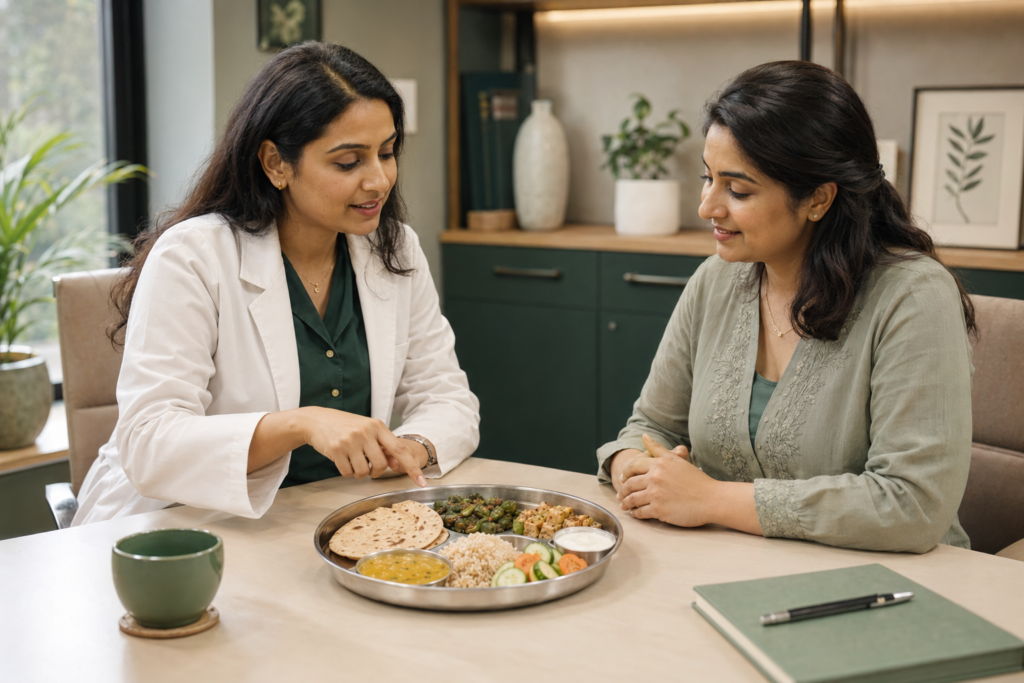
Rice, roti, dal, sabzi and curd — traditional Indian food is largely well-suited to GLP-1 therapy. This guide covers the food patterns, portions and cooking adjustments that make semaglutide work better for Indian patients.
Diet still matters on semaglutide because the medicine only controls appetite and doesn’t substitute nutrition. Depending only on the drug without dietary modifications may cause muscle loss, nutritional deficiencies, and gastrointestinal side effects. Semaglutide controls appetite but does not override the quality. Whatever you eat keeps shaping how the medication works.
Reality check
No, semaglutide doesn’t mean you can eat anything you like. Even though it controls appetite and slows digestion, a poor diet will cause critical digestive issues and limit your outcomes. Here are the key reasons food quality keeps mattering even with appetite control:
Eat more of
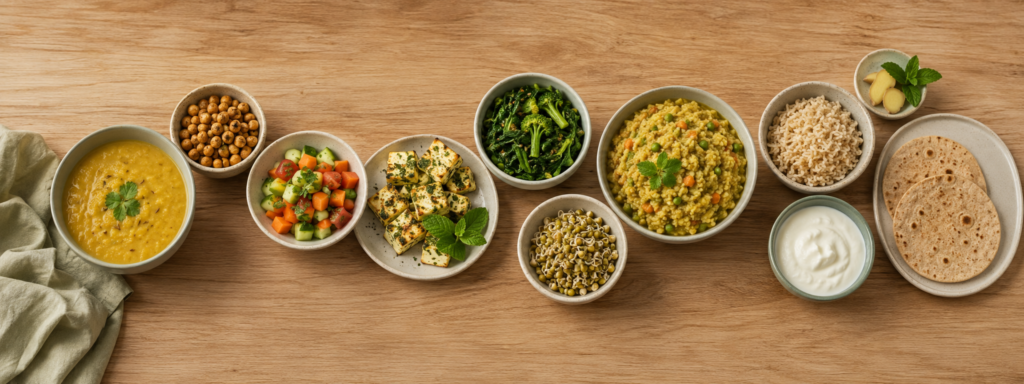
The best Indian foods to eat on semaglutide focus on high-fiber, high-protein, and low-glycemic index foods to promote weight loss and relieve nausea. Indian diet’s many staples closely align with what supports GLP-1 therapy.
Here are the Indian foods that work best with semaglutide and minimize the risks of side effects:
Reduce or avoid
When you are on semaglutide (Ozempic and Wegovy), reduce or avoid refined carbohydrates, heavy alcohol, high sugar, and fried and greasy food. As semaglutide slows down stomach emptying, certain foods linger in your digestive system longer, which significantly increases the risks of bloating, fatigue, nausea, and acid reflux.
Here are the Indian foods that cause problems on semaglutide:
High fat content and slowed gastric emptying significantly increase discomfort and nausea.
Quick blood glucose spike with little satiety support that restricts semaglutide’s blood sugar benefits.
Fat-rich cooking further slows digestion when you are on semaglutide.
Semaglutide slows down stomach emptying, and large meals cause nausea, bloating, and discomfort even with the right foods.
High sugar with minimal nutritional value and directly increases blood glucose.
Clinical Suitability
Semaglutide injection is mainly for people with obesity or those overweight with weight-related health issues who struggle to lose weight and control metabolism only with diet and exercise. Only lifestyle management is usually recommended for people without critical comorbidities who can maintain a healthy weight with proper diet and physical activities.
Semaglutide, a potent GLP-1 receptor agonist, is considered clinically appropriate or unnecessary depending on a patient’s metabolic status, medical records, and current diagnoses. Here are the clinical factors that influence this decision:
Meal structure
Meal structure is equally important as food choices on a GLP-1 medication. Structure your meals on semaglutide following the “Balanced Plate” model (½ non-starchy vegetables, ¼ lean protein and ¼ complex carbohydrates). As semaglutide slows digestion, you should eat smaller meals more frequently. Stop eating when you are comfortably full, prioritizing protein to maintain muscle mass.
Here are the ways to organize your daily eating on semaglutide:
Eat 3 to 4 smaller meals rather than 2 to 3 big meals. Large volumes may cause discomfort when gastric emptying gets slowed.
Start every meal with a protein source (eggs, curd, paneer, dal) before the carbohydrate portion.
Maintain the carbohydrate portion to approximately 1/4th of the plate and go for brown rice / millet options over white rice if possible.
Eat slowly and stop once you feel full, as semaglutide increases satiety, and eating beyond that point may cause nausea.
Keep hydrating yourself between meals rather than when eating, as large fluid intake with food adds volume to a slow-emptying stomach.
Personalized care
CLP personalizes nutrition for GLP-1 patients in India by combining weight management with lifestyle support, high-protein diets, and IV nutrient therapy. This nutrition protocol prevents nutritional deficiencies and muscle wasting that help patients meet sustainable body recomposition rather than rapid weight loss.
“The Indian diet is actually a good fit for semaglutide — dal, sabzi, curd — the problem is usually oil, portion size, and refined carbohydrates. Fix those three things and the medication has far more room to work.”
Yes, you can eat rice on semaglutide; however, the portion matters. Cooked rice in smaller quantities and a protein source like dal/curd are good to eat on semaglutide. You should reduce the amount of rice meals with a minimum amount of protein.
Traditional Indian food is highly compatible with semaglutide. Curd, dal, vegetables, and millet-based foods go well with GLP-1 therapy and key dietary principles. The key adjustments you can make are to reduce consumption of fried and oily foods and refined carbs.
You need 1.2 to 1.5g of protein/kg of body weight/day to prevent muscle loss when losing weight. Vegetarian sources, such as paneer, tofu, dal, soya and curd, can meet this diet plan.
Yes, you can eat spicy food on semaglutide as no food is strictly off-limits. Oily and heavily spiced food may cause gastrointestinal complications when combined with slow gastric emptying. Light spicy food prepared in the least amount of oil can be well tolerated.
You should eat dry, bland, and room-temperature foods (such as dal khichdi, curd rice, boiled vegetables, and plain roti). Avoid fried/oily foods until nausea cures.
You should eat 3 to 4 smaller meals rather than 2 large meals if you are on semaglutide since it largely controls appetite. Big meals cause unnecessary complications and may worsen adherence.
You don’t need nutritional supplements on semaglutide; however, they are mostly recommended. Indian patients, mostly vegetarians, benefit from iron, magnesium, B12, and vitamin D supplements. A blood panel before starting semaglutide identifies what is required for your specific condition.
Yes, you can follow religious fasting while on semaglutide. However, proper medical guidance during fasting is required regarding dosage timing and which foods to eat during the eating window. Consult your doctor before any extended fast to modify your diet plan accordingly.
Eating healthy on semaglutide in an Indian context is direct with the right structure in position. At CLP in Bangalore, our team of doctors personalizes nutrition plans on the very first day that work with your dietary background. Book a consultation now to start GLP-1 therapy with the right diet plan suited to your profile.
+91 72931 11120
info@Cliniclivingplus
HSR Layout, Bengaluru, Karnataka 560102
Mon-Sun: 9:00 AM - 7:00 PM
Functional medicine, advanced diagnostics, and clinical nutrition — reversing chronic disease from the root.
3rd Floor, 1655, 27th Main Rd,
opp. Nift College, HSR Layout,
Bengaluru, Karnataka 560102
+91 72931 11120
WhatsApp us